Bad Bunny Didn’t Receive a Dime for His Super Bowl Halftime Performance But He’s About to Have a Big Payday
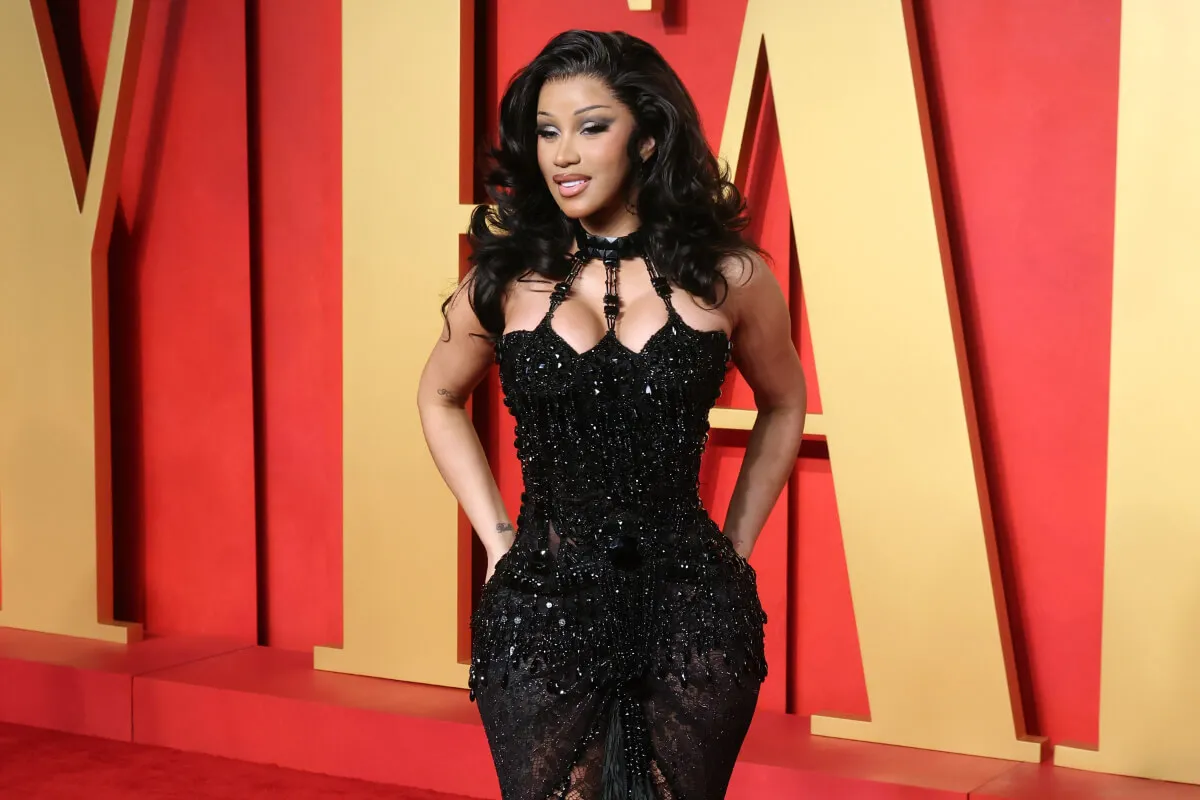
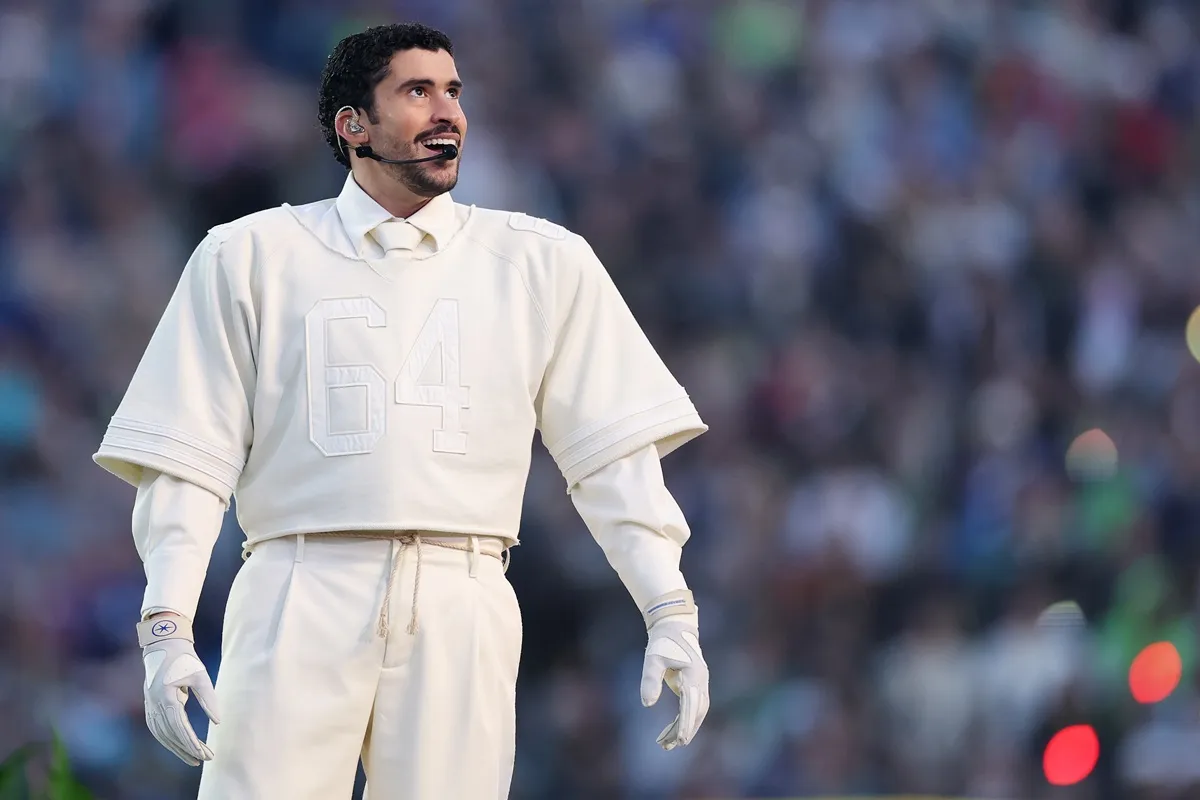
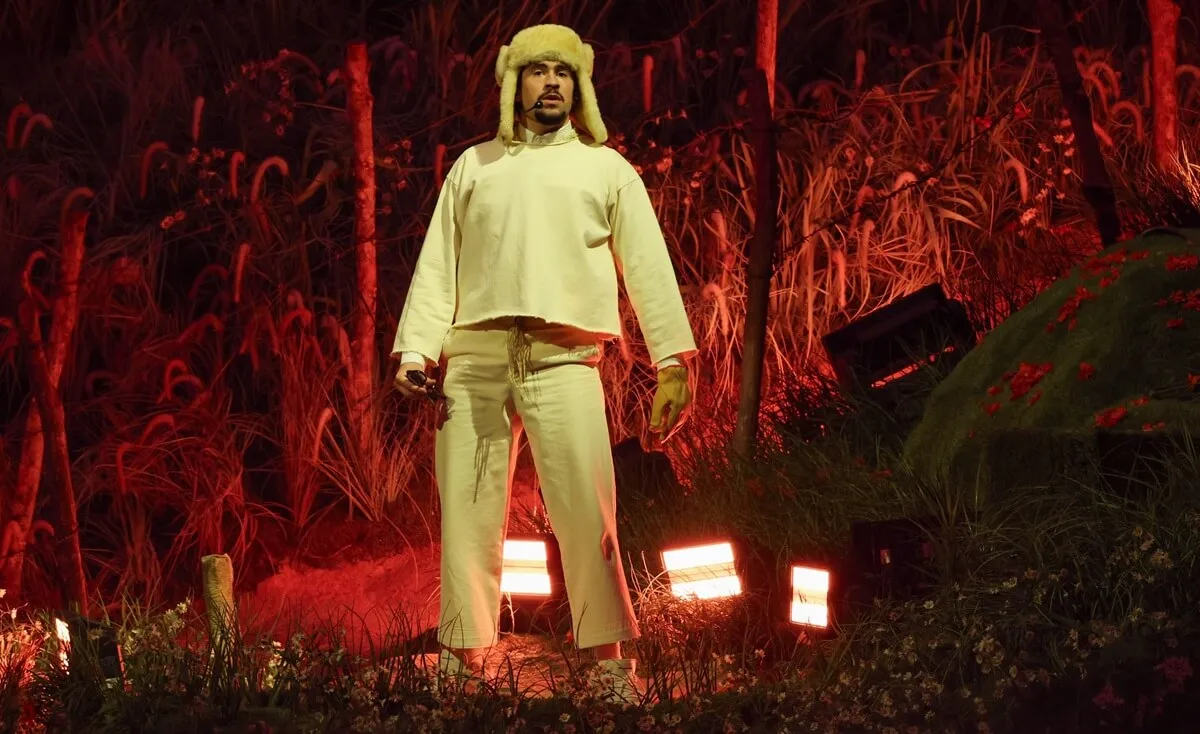
Bad Bunny headlined one of the most talked-about Super Bowl Halftime shows of all time. The Puerto Rican superstar‘s 13-minute performance featured Lady Gaga and Ricky Martin, as well as blink-and-you-missed-it appearances by Pedro Pasaul and Cardi B. And just like artists before him, Bad Bunny did not receive any compensation for performing. However, he’s about to have a huge payday.
Halftime performers are not paid a traditional appearance fee. While the musicians do not receive a paycheck, the league covers travel expenses and all production costs that include everything from the stage to the lighting to the dancers. That can exceed $10 million, and the artists do not pick up the tab for any of that, allowing for a high-quality, career-defining performance. Some artists like The Weeknd though have reportedly invested their own money into the show.
The NFL views the gig during the big game as a marketing partnership rather than a hired concert. It remains one of the most powerful marketing platforms in the world, offering unparalleled global reach and long-term financial upside. The high-profile exposure Bad Bunny has received from the over 100 million viewers around the world who tuned in could earn him up to nine figures.
Kayley Cornelius is a PR expert and celebrity commentator who has been featured in the Daily Mail, the BBC, the New York Post, and more.
Speaking on behalf of OLBG, Cornelius told Showbiz Cheat Sheet, “People are often shocked to learn that Super Bowl halftime performers don’t receive a traditional performance fee, but from a PR and commercial standpoint, it’s one of the most powerful marketing platforms an artist can access.
“The halftime show is less a gig and more a global billboard. With an audience that regularly exceeds 100 million viewers, the exposure is unmatched. Within minutes of the performance, streaming numbers spike, back catalogues re-enter charts, social followings surge, and search demand explodes. That immediate uplift then feeds directly into long-term revenue.”
Cornelius continued, “For an artist like Bad Bunny, the financial upside comes in the weeks and months that follow. If his upcoming tour sells out – which exposure of this scale almost guarantees – he could realistically be looking at an eight to nine-figure payday once ticket sales, merchandise, VIP experiences and brand partnerships are taken into account. In that context, the absence of a performance fee is almost irrelevant as the return on investment is enormous.
“There’s also a significant brand recalibration that happens. The halftime stage isn’t just about music, it’s about cultural authority. Being selected positions an artist as a global tastemaker, not just a chart-topper. That shift allows them to command higher fees across the board – from touring and endorsements to future appearances and collaborations.”
The celebrity PR specialist added, “From a strategic PR perspective, it’s about leverage rather than payment. Artists gain creative control, credibility and momentum at a scale no paid campaign could replicate. Sponsors and labels understand this, which is why production costs are covered, so ultimately, everyone involved benefits from the halo effect.”