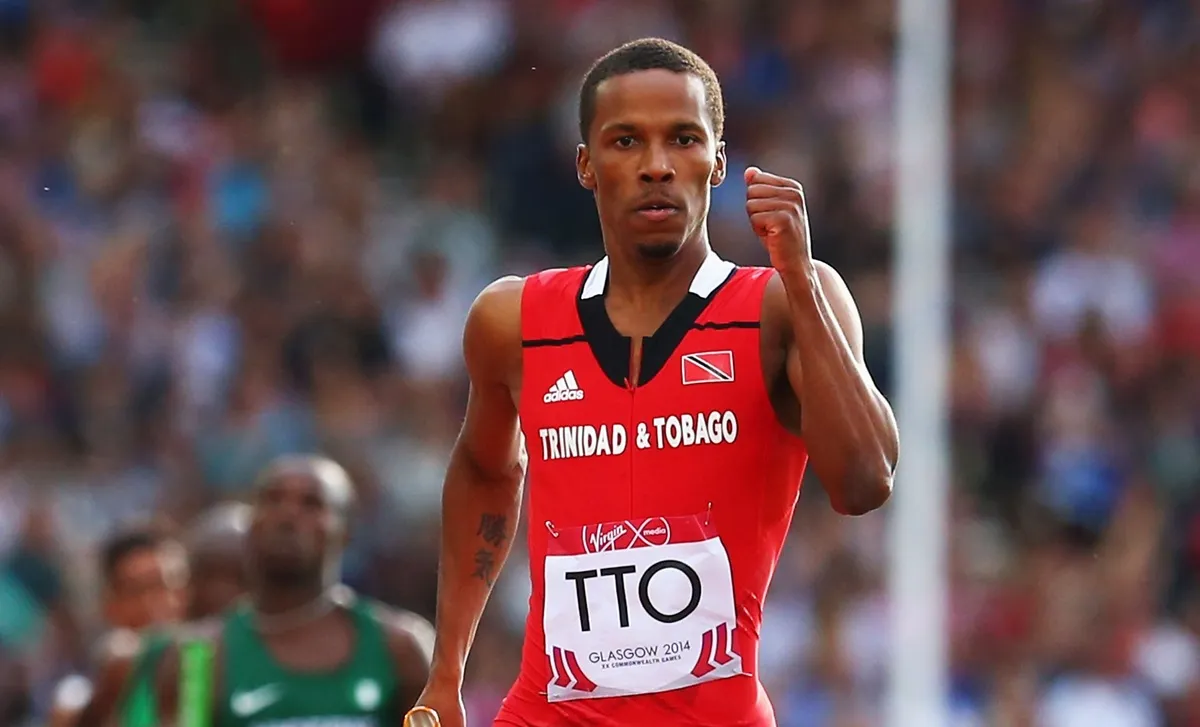
Former Olympic Sprinter Zwede Hewitt Reveals What it Takes for Athletes to Perform on the Global Stage Under Scrutiny
Every two years, the world comes together to watch athletes from all across the globe compete on the biggest stage as they represent their countries in the Summer and Winter Olympics. Only those chosen to participate in the Games know what it’s like to have an entire nation behind them and the weight of that country’s hopes on their shoulders, and Zwede Hewitt is one of them.
Hewitt was born on June 18, 1989, in Trinidad & Tobago to Trevor and Elizabeth. He attended Baylor University in Waco, Texas, where he was on the Bears’ track and field team. He is a NACAC U23 Championship bronze medalist, a World U18 Championship silver medalist, a Commonwealth Games bronze medalist, won the 400 meters at the 2007 Carifta Games, and competed in the 4×400-meter relay on the Trinidad & Tobago 2008 Olympic team in Beijing, China.
Today, Hewitt is a technology entrepreneur, advisor, and investor with a background that comes from the relentless pursuit of his goals despite competition and obstacles.
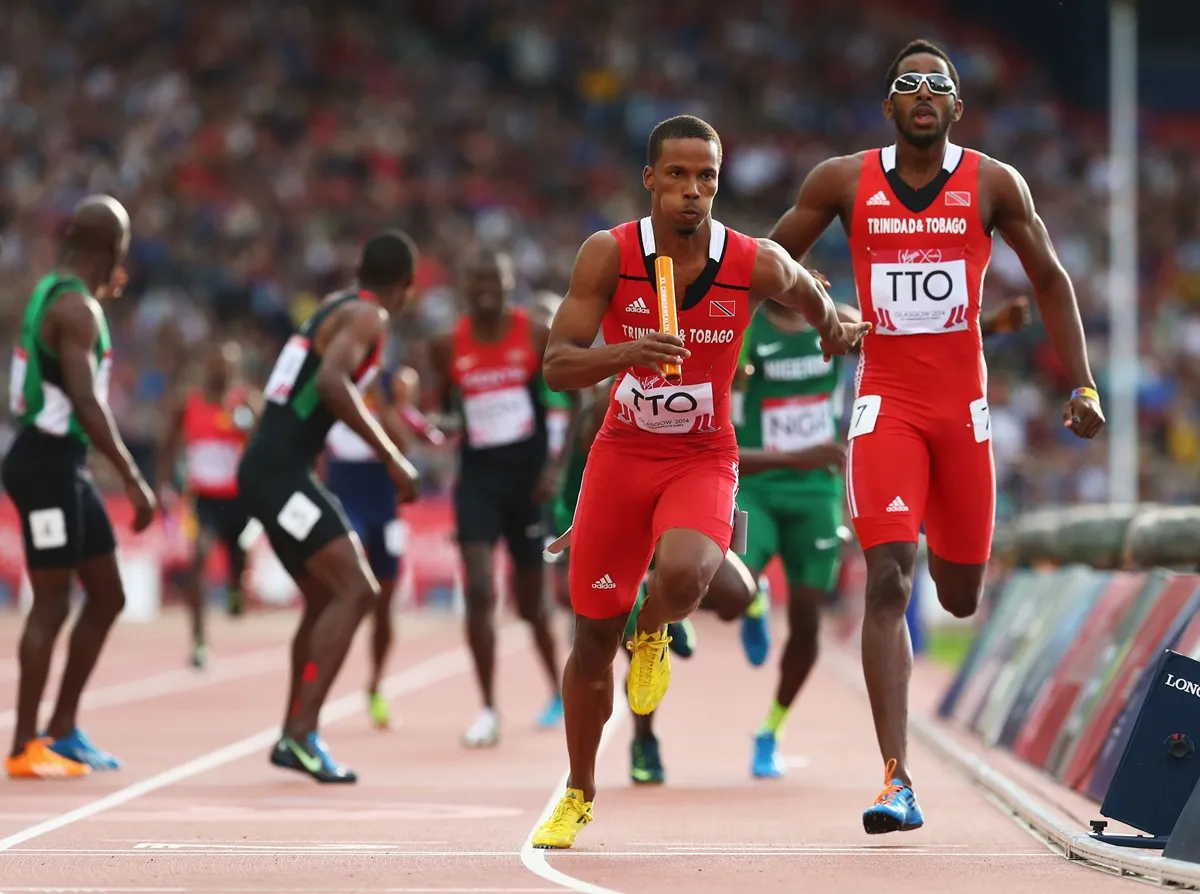
Showbiz Cheat Sheet caught up with Hewitt to get his unique perspective on what goes into preparing for the moment that many will never get to experience.
Hewitt discussed the selection process for athletes to make the Olympic team for their country, sharing, “The selection criteria for each sport varies. However, in the case of track and field (and most sports), there is a benchmark/qualification standard to be met. One must also then compete against other athletes from their home country to earn a limited spot, as each country is allowed limited participants for each sport/event.”
Hewitt explained that once an athlete makes the team, their training doesn’t change, but their “focus” around training does, saying, “Training typically doesn’t change much. However, the lifestyle and focus around training is more extreme. Athletes are humans, and they have lives to balance. You’d find athletes going into isolation leading up to the Olympics in efforts to eliminate distractions.”
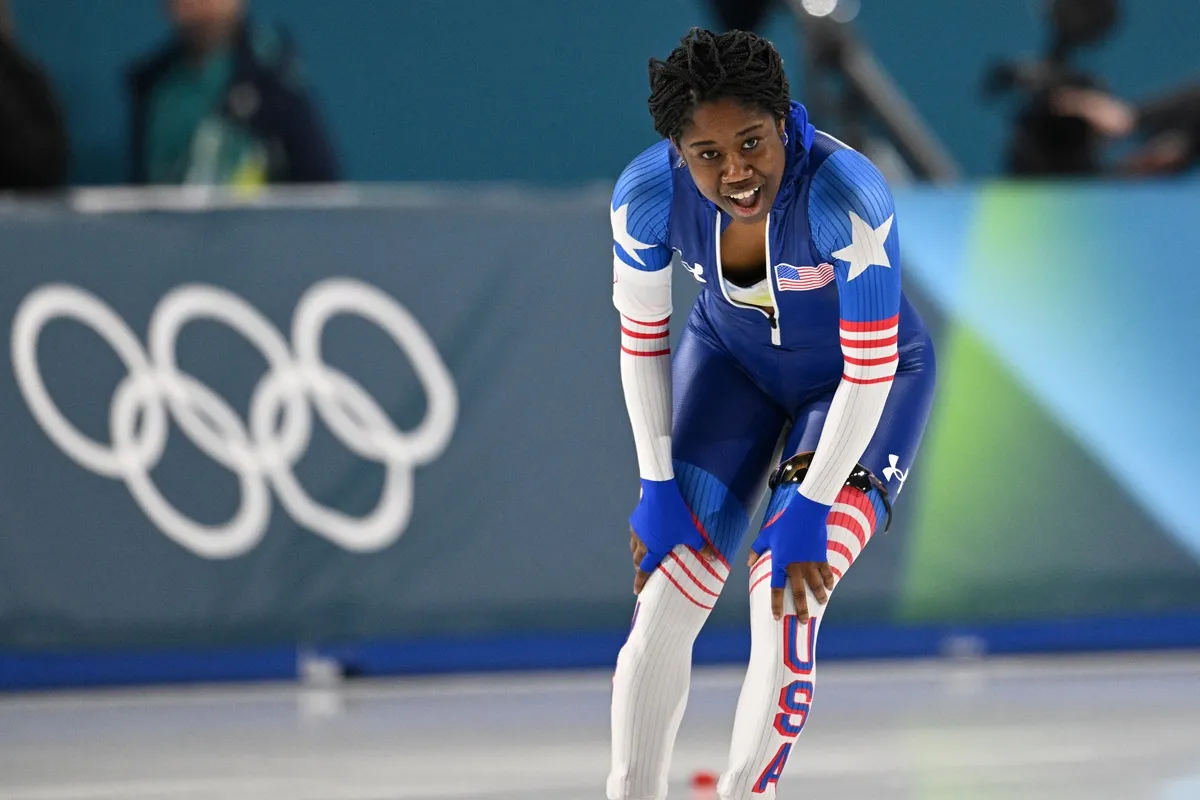
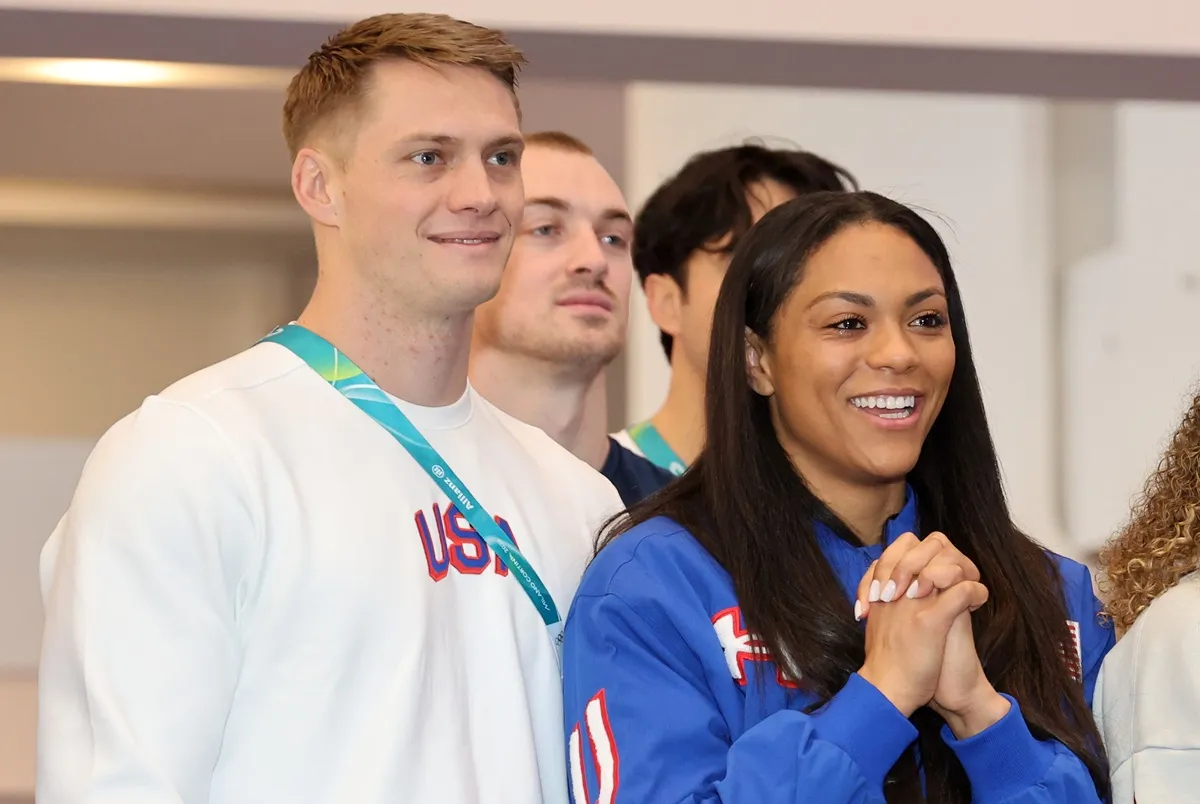
The former Olympian also spoke about the mental discipline required to perform under global scrutiny. He stressed that athletes need “an iron will. This usually comes from three outcomes: Experience — You’ve been at it for years and have already experienced the highs and lows of high-level competition, Mentorship — Great coaches, advisors, teammates, and Extreme talent — So dang good you just don’t give a f***!”
For Hewitt, the transition from Olympic sports and leaving that identity to jumping into his next career “definitely wasn’t easy. Firstly, track and field is a low-paying sport. So we usually have to figure out a new way to make money, asap. Even athletes who make a lot of money still have a tough time transitioning into a new pathway because they have been so hyper focused in becoming a world-ranked athlete that they didn’t have much time to do other things and develop new skill sets.
“For me, I had to abandon my athletic identity completely and be fully absorbed in my new environment to develop a new identity. However, I applied my success traits and characteristics from my athletic career … It was really about getting in the frame of mind to be that committed to a new pathway.”