Safety Concerns Mount Amid Backlash Over Vanity Fair’s Taylor Swift ‘Hit Piece’
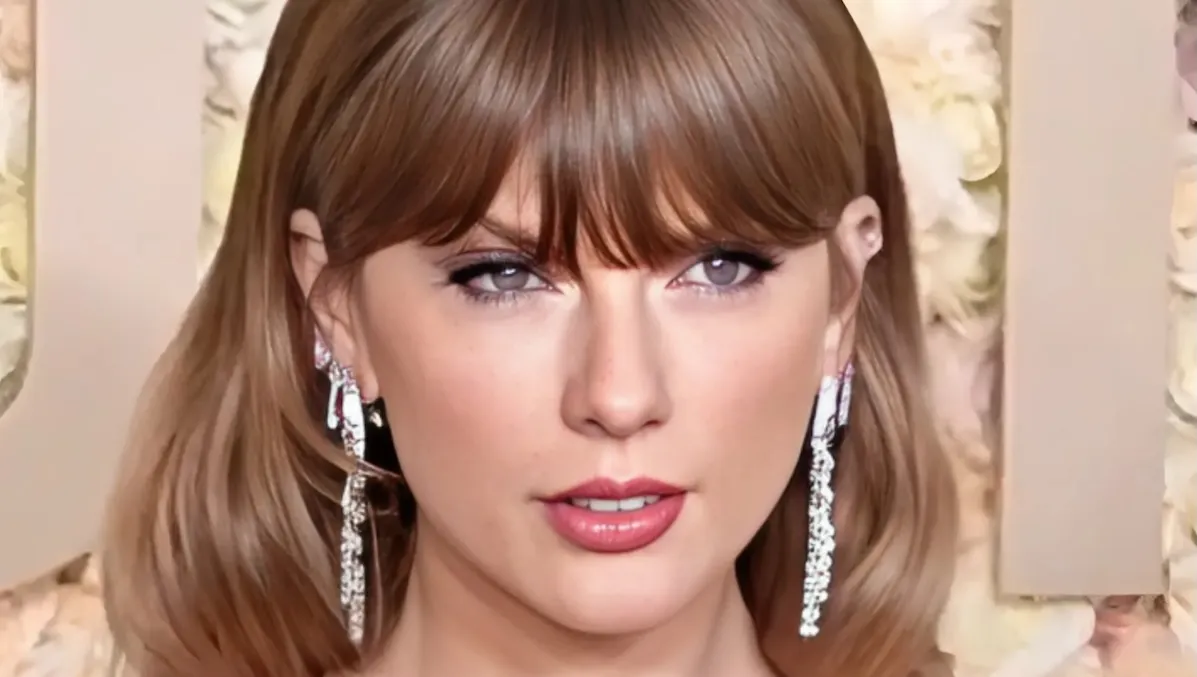
A scathing Vanity Fair profile of Taylor Swift has set off one of the year’s biggest pop culture firestorms. The article, which never explicitly names Swift, has some critics praising the author and fans absolutely raging at her. It has been called a “hatchet job” and a “hit piece” across multiple media platforms. Now, the fallout is raising concerns about the safety of the journalist who wrote it.
What’s in ‘The Mastermind’ that has everyone so upset?
The piece, titled “The Mastermind,” was published on November 23 and written by journalist May Jeong. Rather than naming Swift outright, it refers to her only as “The Star.” Other famous figures get code names, too: Charli xcx is assumed to be “The Brat,” and Olivia Rodrigo is theorized to be “The Protégé.” Fans have also speculated that “The Blonde” is Sabrina Carpenter and that “The Person Familiar” is Blake Lively.
Jeong says the story draws on interviews with more than 100 people. It covers Swift’s rise to fame, her life before stardom, and her alleged feuds with critics and fellow musicians. The article is scathing and leaves little room for interpretation, and its tone has led many readers to accuse Jeong of having an axe to grind against Swift, her success, and how she got where she is today.
The backlash over the piece was almost instantaneous and has only grown since. Now, some of Jeong’s non-famous sources have tried to distance themselves from the article. Critics are questioning the ethics of the piece, considering how heavily it relies on anonymous sources and memories of events from decades ago. Many fans and commentators labeled it a “hit piece,” and industry insiders have questioned the motivation behind Vanity Fair’s decision to publish such a negative piece about Taylor Swift.
Some of Jeong’s sources are even pushing back. Swift’s former music teacher, Sharon Luyben, told TMZ that her words were taken out of context and that she only had positive things to say about her former student. Former classmate Arielle Peppers also spoke to TMZ to clarify a viral comment she made about Ugg boots. More sources could follow as the article continues to spread.
Journalist rights group steps in
Criticism over the article has landed squarely in Jeong’s lap. Some Swifties called the writer a “loser,” while others went after her career and appearance. Jeong has since restricted comments on her social media posts. Things have gotten so heated that a journalist rights group has stepped in.
According to Page Six Hollywood, the Committee to Protect Journalists has been in touch with Jeong. The nonprofit says it works to defend the right of journalists to report the news “safely and without fear of reprisal.”
Jeong is no stranger to high-pressure assignments. She has previously reported from war zones, including Afghanistan, and covered the Sri Lankan Civil War. Still, it appears this is the first time one of her articles has prompted the rights group to reach out.
While Jeong might have an ally in a rights group, not everyone in the industry thinks the negative attention is unwarranted. Commentator Michael Loftus weighed in on the controversy, warning journalists who chase attention through “hit pieces” about the risks that can follow.
Insiders claim Condé Nast employees are divided, too
The story has also stirred up drama behind the scenes. Sources told Page Six that Swift twice declined requests from Condé Nast, Vanity Fair‘s parent company, for her wedding photos. “Taylor politely declined,” one source said. That has led some to speculate the profile was payback, though no motive has been confirmed.
Meanwhile, an insider claimed Condé Nast chief content officer Anna Wintour “doesn’t want to be involved in any of this.” Wintour’s name came up early in the conversation about the piece, after fans began theorizing that Blake Lively’s connection to the fashion icon might have influenced its publication. Vogue’s head of editorial content, Chloé Malle, reportedly believes the article was unnecessary because there’s “nothing there.”
Neither Condé Nast nor the Committee to Protect Journalists commented on the reports. Swift has not publicly addressed the Vanity Fair piece.