Tiger Woods’ DUI Crash Could Still Cost Him Millions, Explains Attorney
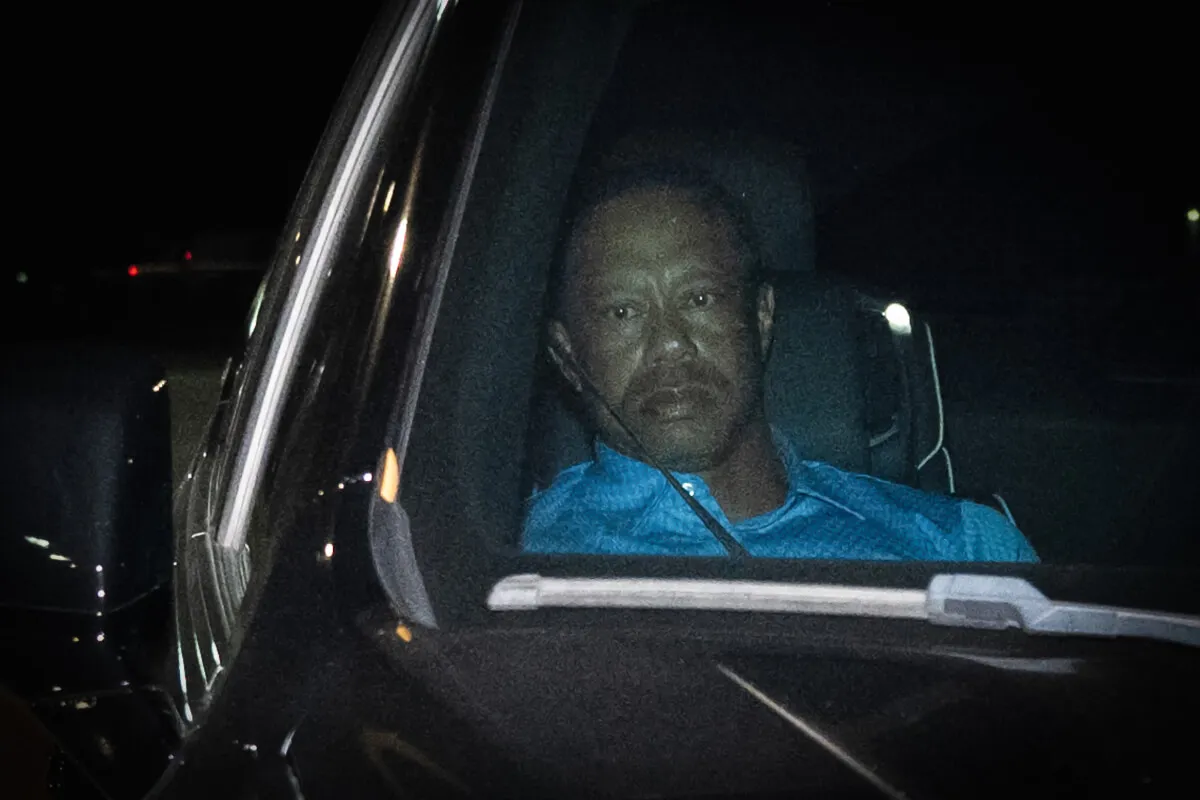
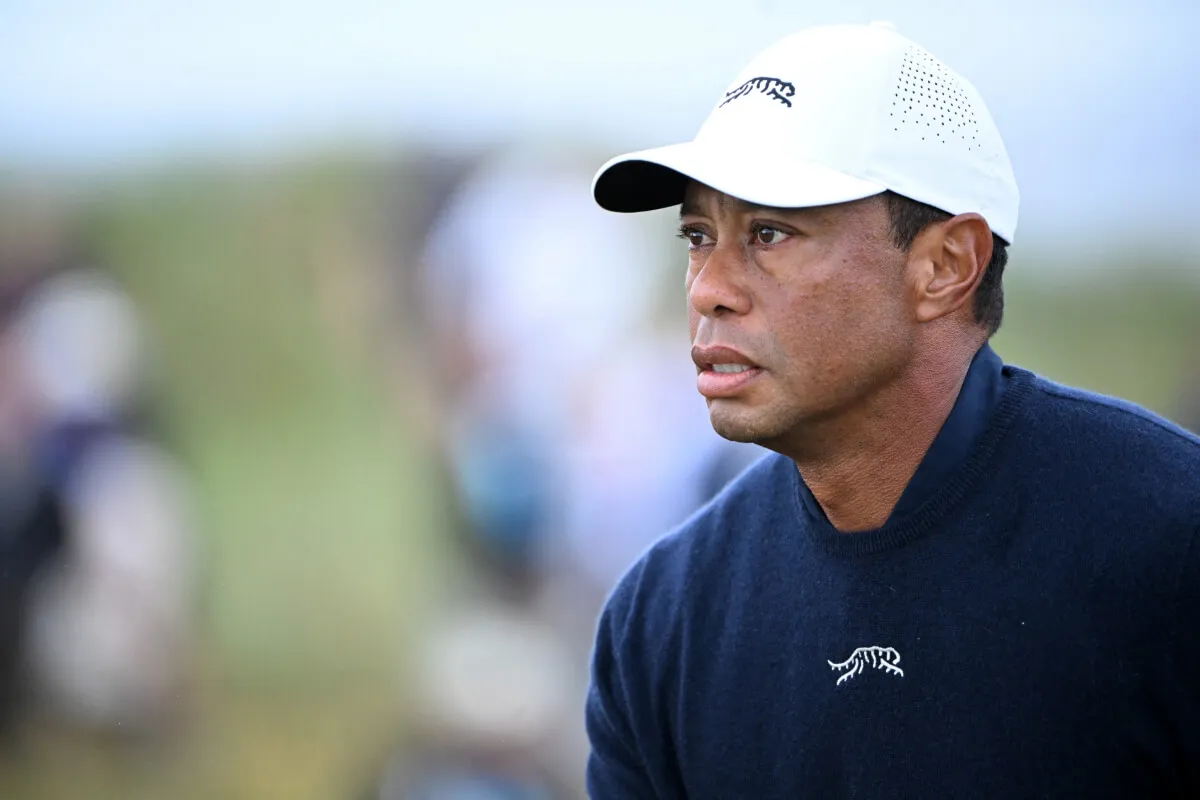
On March 27, Tiger Woods was charged with a DUI after a crash near his Florida home. Neither Woods nor the driver of the other vehicle reported injuries at the time. This does not mean he’s in the clear for a lawsuit, though. Personal injury attorney Michael Steinger explained that Woods could very well still have to pay millions in a lawsuit.
Tiger Woods was arrested for a DUI
While driving in Jupiter, Florida, Woods attempted to pass a truck as it turned into a driveway. He clipped the trailer with his own vehicle, causing the car to flip onto its side and skid. Woods climbed out of the passenger side window, uninjured. The driver of the truck was also uninjured.
Woods told responding officers he’d been looking at his phone and changing the radio station, which distracted him. Despite this, they noted that Woods exhibited “several signs of impairment.” His eyes were glassy and bloodshot, and officers had to continually remind him of instructions for field sobriety tests.
“Woods’ movement was lethargic and slow,” the report read, per The Athletic. “While walking, I observed Woods limping and stumbling to the right… I asked Woods if he was able to perform tasks such as walking and lifting his leg, Woods advised he has a limp and his ankle seizes while walking.”
He was arrested and charged with a DUI. While a breathalyzer showed he had no alcohol in his system, officers found hydrocodone pills on him.
Tiger Woods could still face a multi-million dollar lawsuit over the DUI crash
While the other driver reported that they were uninjured, this may not be the end of the story. Steinger, the founder of Steinger, Greene & Feiner, explained that the driver could still file a lawsuit. It’s possible that they did not realize they were injured in the immediate aftermath of the accident.
“When someone says ‘I’m not injured,’ that’s not a medical diagnosis,” he tells Showbiz Cheat Sheet. “It’s just how the body reacts under stress.”
He noted that adrenaline suppresses pain and that injuries like whiplash, soft tissue damage, and nerve damage take up to several days to develop. He added that brain injuries can go unnoticed in the first 48 hours as well.
Florida has a 14-day rule for filing a claim. In order to file a lawsuit, the driver must seek treatment within two weeks.
Any lawsuit might cost Woods millions. DUI cases in Florida do not have the usual cap on punitive damages, meaning that a jury could award the driver far more than average. Woods’ history of car accidents and his prior DUI arrest could also work against him. As insurance does not cover punitive awards tied to DUI in Florida, any payout would come directly out of Woods’ pocket.
“If injuries surface, and medical science says that’s entirely possible, Tiger’s exposure is not just a misdemeanor fine,” Steinger explained. “This is personal, out-of-pocket liability. If this goes to trial, a jury is looking at his nearly $1 billion net worth, and that can directly impact the size of the payout. Florida’s DUI laws are built for exactly this situation.”
He added, “What started as a crash with ‘no injuries’ could still become a multi-million legal problem.”
He announced that he would be taking a step back from the public eye to recover
Just a week before the Masters, Woods announced he would be stepping away from golf to focus on his health after his arrest.
“I know and understand the seriousness of the situation I find myself in today,” he wrote on X (formerly Twitter). “I am stepping away for a period of time to seek treatment and focus on my health. This is necessary in order for me to prioritize my well-being and work toward lasting recovery.”
“I’m committed to taking the time needed to return in a healthier, stronger, and more focused place, both personally and professionally,” Woods continued. “I appreciate your understanding and support, and ask for privacy for my family, loved ones and myself at this time.”
Woods entered a not guilty plea, meaning his case will go to trial.