Tiger Woods’ Refusal to Take a Urine Test Could Complicate His DUI Case
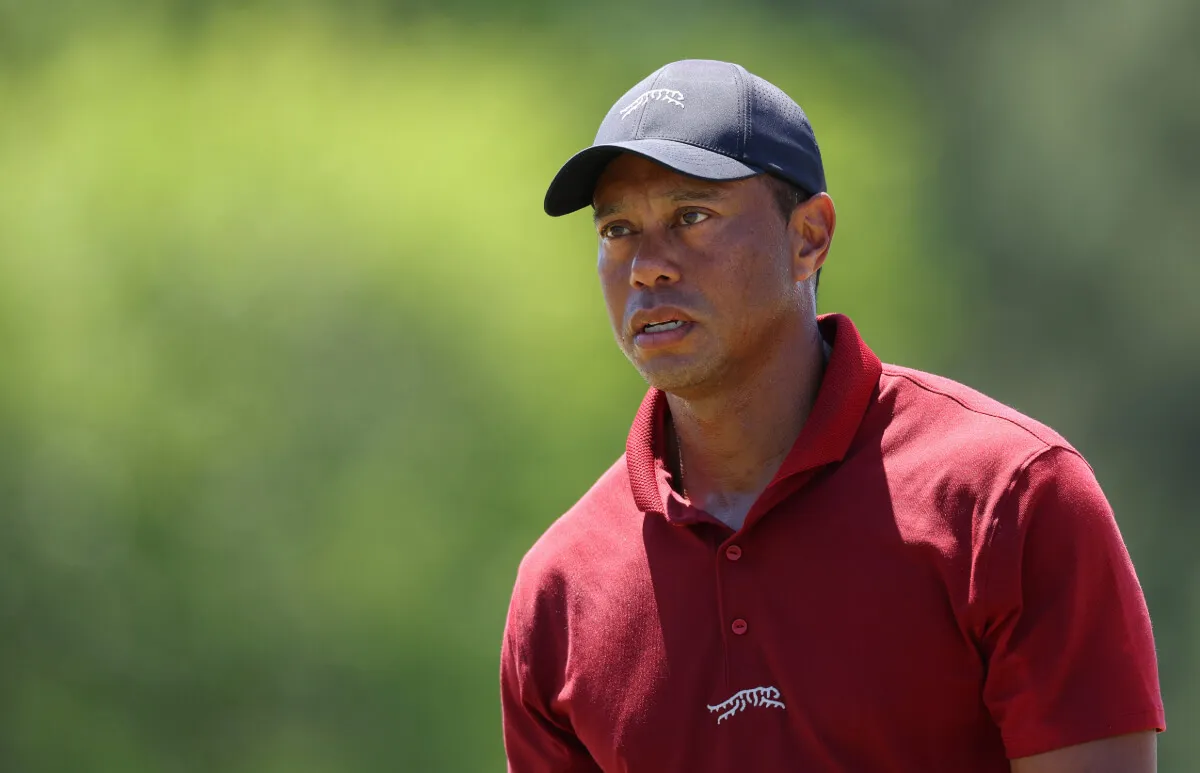
On Friday, Florida police arrested Tiger Woods on suspicion of a DUI. Woods was not injured in the accident, and he spent eight hours in jail before posting bail. While Woods agreed to a breathalyzer test, he did not agree to a urinalysis test. Because of a new Florida law, Woods’ refusal could complicate his DUI case.
Tiger Woods received a DUI following a car accident
On March 27, Woods was involved in a car crash near his home in Jupiter Island, Florida. He attempted to pass a truck as it turned into a driveway. He clipped the back of the trailer at a high speed, causing his vehicle to flip onto its side.
Neither Woods nor the driver of the truck suffered injuries. Police on the scene believed Woods seemed impaired, and they arrested him on suspicion of misdemeanor DUI. He was released on bail later that day.
Tiger Woods’ DUI case could be more complicated because he refused to take a urine test
Police performed multiple tests on Woods to determine if he was sober at the time of the accident.
“They did several tests on him,” Martin County Sheriff John Budensiek told ESPN. “Of course, he did explain the injuries and the surgeries that he had. We did take that into account, but they did do some in-depth roadside tests.”
Budensiek said Woods’ breathalyzer test did not show signs of alcohol. He refused to take a urine test, though.
“He is cooperative, but he was not trying to incriminate himself,” Budensiek said. “So he was careful in what he said and didn’t say.”
Ultimately, though, refusing a urine test, which tests for drugs, has consequences in Florida. Refusing the test results in a one-year license suspension, the potential of up to 60 days in jail, and a $500 fine.
“In October 2025, a first-time refusal to submit any required test by law enforcement for purposes of DUI was criminalized,” defense attorney Lawrence Meltzer told WPBF News. “Prior to that, it used to be an administrative suspension with the DMV. The state could bring in the fact that he allegedly elected to refuse the urine test as evidence of his guilt.”
Still, Tarlika Nunez-Navarro, the dean and professor of law at St. Thomas University, said this might have been the right move regardless.
“If Woods had taken the test and it showed prescription medication at therapeutic levels, prosecutors could still argue impairment,” she said. “By refusing, his lawyers created reasonable doubt on the substance question entirely. The refusal charge carries less weight than a positive drug test in a DUI conviction.”
How many times has he faced the same charges?
This is not the first time Woods has faced DUI charges. In 2017, police arrested him after finding him asleep at the wheel. He pleaded guilty to reckless driving, explaining that he’d taken multiple prescription drugs before getting behind the wheel.
He has also been involved in other car accidents, including a near-fatal one in 2021.