7 Most Controversial Super Bowl Ads of All Time
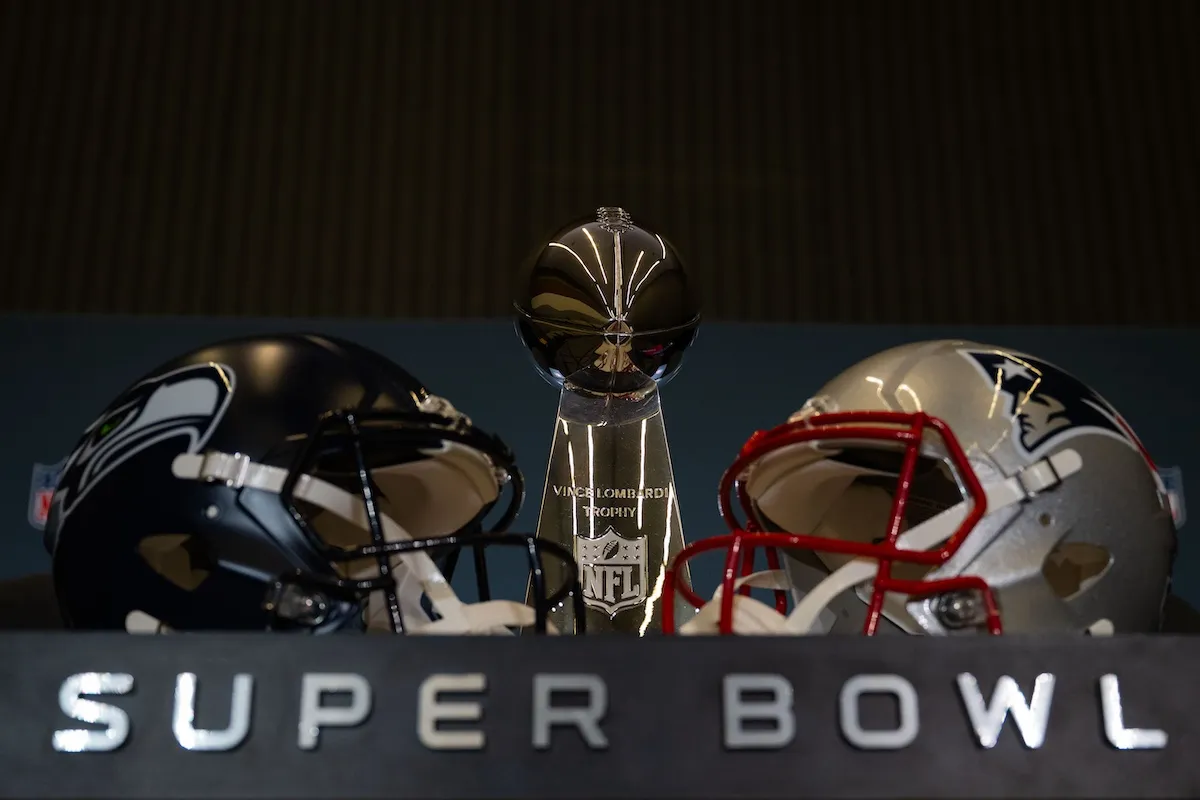
The Super Bowl is almost here, and while millions will be tuning in on February 8 to watch the Seattle Seahawks face off against the New England Patriots, some viewers will be paying more attention to the action that isn’t on the field. Brands such as Squarespace, Instacart, and Ritz Crackers have shelled out millions for a chance to hawk their products, often with celebrities in a starring role.
But if history is any guide, some of those ads could misfire in a big way. While some Super Bowl commercials become iconic (Apple’s Orwell-inspired 1984 ad for the Macintosh personal computer) or spawn catchphrases (Budweiser’s ubiquitous “Whassup?” spot), others are less well received. Sometimes, the controversy is deliberate, like when affair website Ashley Madison tried, and failed, to get its ads on TV. In other cases, it’s just a poor marketing decision. Here are seven of the most controversial ads in Super Bowl history.
Just for Feet, “Kenyan Runner” (1999)
In 1999, athletic footwear brand Just For Feet ran its first – and only – Super Bowl ad. The 30-second spot created by Saatchi & Saatchi featured a group of white men in a Humvee tracking a Kenyan runner. They catch up with the man and offer him a drug-laced cup of water, knocking him out. While he’s unconscious, they put a pair or Nike shoes on his feet. When the runner comes to, he shouts, “No, no,” then runs away, trying to shake the shoes from his feet.
The backlash to the ad was immediate. Critics decried it as “insensitive”, “neo-colonialist,” and “probably racist.” Just For Feet eventually sued its ad agency for damaging its reputation with the ill-conceived spot. (The lawsuit was dropped a few years later during the company’s bankruptcy proceedings.)
Nationwide Insurance, “Boy” (2015)
Many Super Bowl advertisers take a light-hearted approach to pitching their product or service. But not Nationwide Insurance. In 2015, (during a game that also saw the Seahawks facing the Patriots), it ran an ad that featured a young boy talking about all the experiences he’d never get to have because he was dead “from an accident.”
The “Boy” ad was meant to draw attention to the dangers of household accidents and preventable child deaths. But many people found it bleak and depressing. The outcry was immediate, prompting Nationwide to make a statement shortly after the ad aired, explaining that “the sole purpose of this message was to start a conversation, not sell insurance … we hope it served to begin a dialogue to make safe happen for children everywhere.”
General Motors, “Sad Robot” (2007)
Nationwide isn’t the only company to draw complaints with an overly negative ad. In 2007, General Motors ran a commercial that was supposed to show off the quality manufacturing that went into its vehicles. Set to the tune of Eric Carmen’s “All By Myself,” the spot featured an assembly line robot that is fired after making a mistake at work. It then shows the robot having to sell his condo and working at a fast-food restaurant before it finally throws itself off a bridge.
While the commercial ends with the reveal that the the robot is just having a bad dream, that didn’t do much for critics, who saw it as promoting suicide. Worse, the ad aired not long after GM announced it planned to lay off thousands of workers in a restructuring plan, prompting a UAW spokesperson to label the commercial “absolutely disgusting” (via ABC).
84 Lumber, “The Journey Begins” (2017)
During Donald Trump’s first term, construction supply company 84 Lumber ran an ad that directly confronted his hardline stance on immigration and promises to expand the border wall. “The Journey Begins” features a Hispanic mother and daughter pair making a difficult journey to the U.S.-Mexico border. There, they are confronted by a massive wall. In the full version of the ad, they eventually find a wooden door that opens and lets them into the United States. The tagline reads “The will to succeed is always welcome here.”
Fox, which broadcast that year’s Super Bowl initially rejected a different version of the ad for being too political. But the new version still generated controversy, with some arguing that it promoted illegal immigration.
Ram Trucks, “Built to Serve” (2018)
During Super Bowl LII, Ram Trucks aired an ad that highlighted Americans working to help others. But what was supposed to be a feel-good bit of promotion fell flat due to the voiceover, which featured excerpts from a 1968 speech by Martin Luther King Jr. Dodge, which owned the Ram brand, said it worked with King’s estate on the ad. But that didn’t appease critics, who felt that turning the acclaimed civil rights leader’s words into a pitch for pickup trucks was in poor taste.
Focus on the Family with Tim Tebow (2010)
In 2010, CBS agreed to air an ad from right-wing advocacy group Focus on the Family. The 30-second spot starred Heisman Trophy winner Tim Tebow and his mom Pam. The ad itself featured a light-hearted interaction between Tim and his mother before directing viewers to the organization’s website to learn their full story. Fans who followed the link would learn how Pam had rejected doctor’s advice to abort her pregnancy with Tim to protect her own health.
While the ad itself was banal, it still generated controversy. Liberal groups cried foul, accusing CBS of a double standard by agreeing to run the Focus on the Family ad even though it had rejected ads from groups like PETA, Move On, and United Church of Christ in the past because they addressed issues such as animal rights or support for the LGBTQ community.
Kanye West for Yeezy (2025)
Rapper Kanye West is no stranger to controversy. But he caused particular outrage with his 2025 Super Bowl ad. Though the ad – which directed people to his Yeezy website – only ran in select local markets, it became a nationwide scandal once people realized that only one product was for sale at the online store: a T-shirt featuring a swastika. (When the ad was approved, the online store was selling a range of non-offensive items.)
West has since apologized for his behavior in the early months of 2025, saying that he fell “into a four-month long manic episode.”
“I am not a Nazi or an antisemite,” he declared in the full-page ad in the Wall Street Journal. “I love Jewish people.”