Why Dolly Parton’s Most Valuable Pieces of Jewelry Were Never About the Price Tag
Millions of fans around the world are mourning the death of singer, songwriter, actress, author, philanthropist, and global icon Dolly Parton.
It was announced on Aug. 25 that the Queen of Country has died following a brief battle with cancer. She was 80. Parton’s nephew, Bryan Seaver, delivered the news of her passing via his aunt’s Instagram account and said, “Our family and the team she has entrusted with her legacy will work diligently to ensure her spirit will live with us forever.”
Parton leaves behind a legacy that extends far beyond her music and entertainment, and something we know was of such importance to her was her family and her husband, the late Carl Dean. The star had a way to always keep them close through the jewelry she wore.
Parton donned a lot of costume jewelry and sentimental pieces throughout her life over expensive adornments and diamonds. Now, Laura Suitte, gemologist and design expert at Queensmith, is offering details about Parton’s most treasured jewelry and a timely lesson in how sentimental value can matter more than carat weight.
Suitte told Showbiz Cheat Sheet, “Among Parton’s most sentimental pieces was a charm necklace created during the early years of her success.The necklace represented her brothers and sisters, carrying their names and birthdays. As touring and international success took her further from her Tennessee home, the necklace offered a way to keep her family physically close.
“It is perhaps the most powerful example of the difference between valuable jewelry and meaningful jewelry. A necklace carrying the names and birthdays of loved ones may have little relevance to a traditional valuation, but to the person wearing it, its emotional worth can be immeasurable.”
Suitte explained that “Dolly also understood the power of jewelry as a celebration of personal achievement. After reaching a point in her career when she felt she had truly become a star, she commissioned a small star-shaped pinky ring from a Nashville jeweler. It was not a trophy designed to sit in a safe. It was something she bought for herself and could wear every day, a physical reminder of how far she had come.
“For a woman who grew up in poverty in rural Tennessee, becoming a global star was an extraordinary achievement. The ring allowed her to mark that achievement in a deeply personal way. Today, this idea is increasingly visible in jewelry buying.”
And of course there was Parton’s engagement ring from her beloved husband.
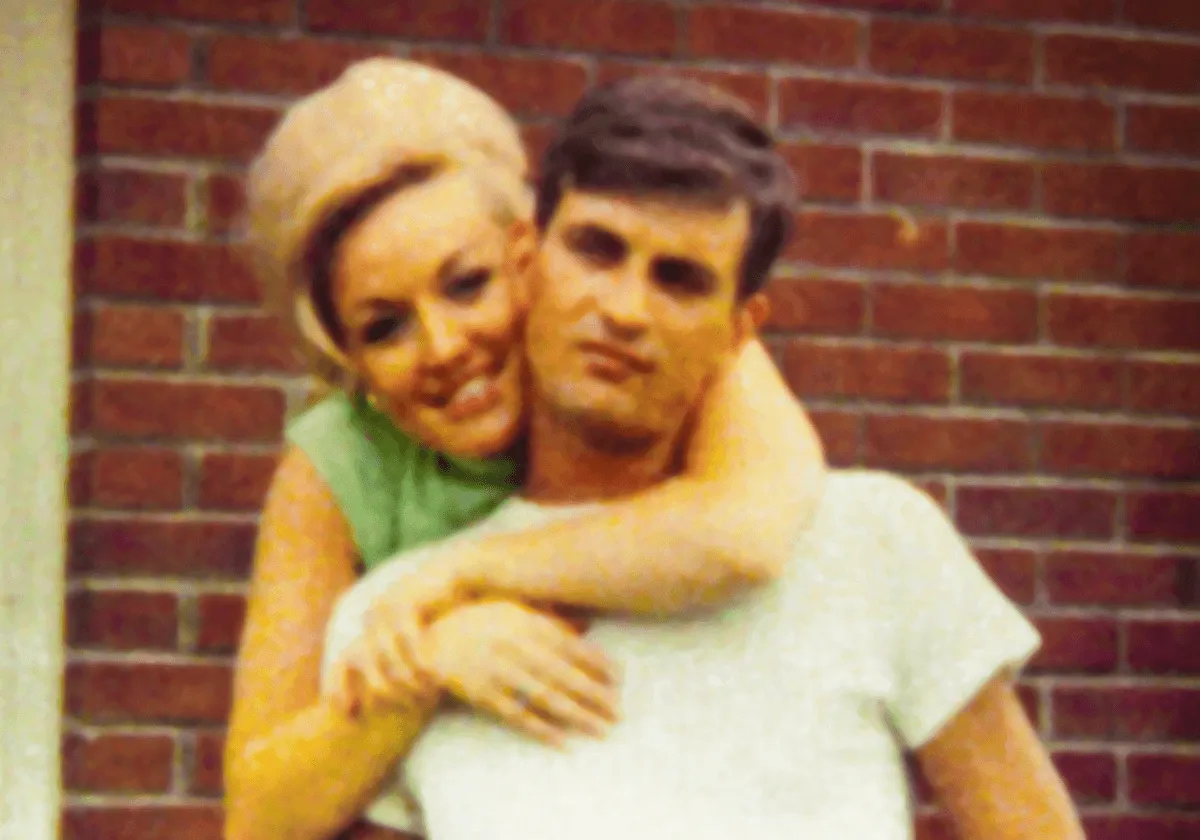
“One of the clearest examples was Parton’s original wedding ring, bought from Sears when she and Carl Dean married in 1966,” Suitte said. “The ring featured a diamond of approximately half a carat, estimated to be worth around $748–$1,020 today. Yet as Parton’s career grew from humble beginnings into global superstardom, she had no need to replace it with something bigger simply because she could afford to.
“The story is striking because the ring’s significance was never determined by its carat weight. It represented the beginning of their life together. That sentiment increasingly reflects how jewelry is being valued today, not simply as something precious, but as something personal.”
Suitte concluded, “Dolly Parton’s relationship with jewelry is a fascinating example of how the meaning we attach to a piece can completely transcend its monetary value. Today, we’re seeing people become much more intentional about the jewelry they buy. Rather than simply looking for the biggest or most expensive stone, they’re choosing pieces that represent a person, a milestone, a relationship or a moment in their lives. Dolly understood that instinctively.”