The Kardashian Effect: Cosmetic Surgery That’s Become the Most Common Since the Family First Appeared on TV
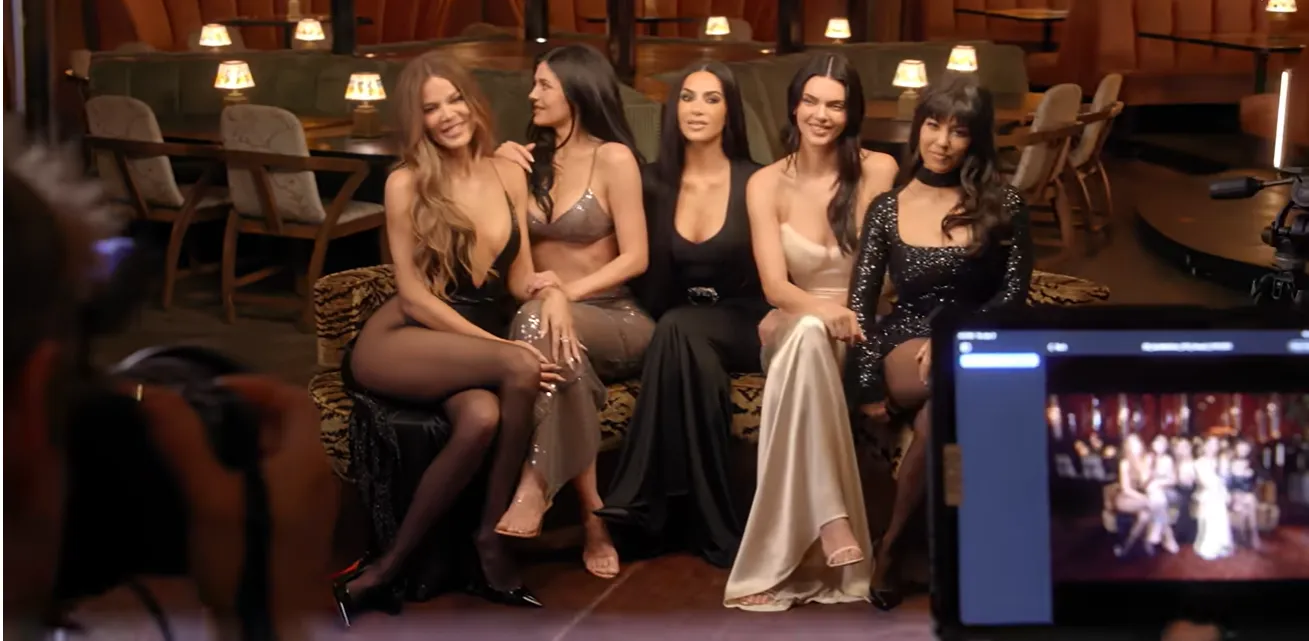
The world was introduced to the Kardashian-Jenners in 2007. Today, they are the most famous family in reality TV. And no matter where you go in the world, people know the names of the siblings and their momager, Kris Jenner.
Kim Kardashian, Khloe Kardashian, Kourtney Kardashian, Kylie Jenner, and Kendall Jenner have not only had a major impact on pop culture but also have become forces in modern beauty culture. Now, a plastic surgeon is sharing how the “Kardashian Effect” has changed cosmetic surgery and what the next generation of beauty trends might look like.
Dr. Omar Tillo, plastic surgeon and Medical Director at CREO Clinic, told Showbiz Cheat Sheet, “The biggest change is how much more openly we talk about cosmetic enhancements. In 2007, plastic surgery was still something many celebrities preferred to keep private. Today, people openly discuss everything from lip fillers to rhinoplasty on social media.
“The Kardashians have played a significant role in that shift. They’ve helped make cosmetic procedures part of everyday beauty conversations, rather than something that happens behind closed doors. But I think the more interesting change is how people’s expectations have evolved. For a long time, the focus was on achieving a particular look. Now, there’s a growing conversation about maintaining individuality rather than following a single beauty ideal.”
So which beauty trend associated with the Kardashians has had the biggest impact on cosmetic surgery?
“I think there are several. The hourglass silhouette is probably one of the most recognizable, particularly when it comes to body contouring,” Dr. Tillo said. “The emphasis on a smaller waist and fuller hips became incredibly prominent throughout the 2010s, bringing procedures such as liposuction and the Brazilian Butt Lift (BBL) into much wider public discussions.”
He continued, “The BBL in particular became closely associated with the exaggerated curves that dominated beauty trends during that period. It’s a procedure that involves transferring fat from other areas of the body to the buttocks to create more volume and shape, although it’s important to remember that it carries significant risks.
“What I find particularly interesting is how the family helped create an entire aesthetic. It wasn’t necessarily about one feature, but a combination of fuller lips, defined facial contours and exaggerated body proportions that became instantly recognizable.”
Dr. Tillio added, “The challenge is that these trends can create unrealistic expectations. Not everyone has the same facial structure or body proportions, and what looks good on one person won’t necessarily suit another. That’s why it’s so important to approach cosmetic enhancements as something individual, rather than trying to recreate a celebrity’s appearance.”
When asked what will define beauty trends and cosmetics in the next decade? Dr. Tillo opined, “I actually think we could see a return to more obvious cosmetic enhancements. We’ve spent the last few years talking about natural-looking results, dissolving fillers and making sure nobody can tell you’ve had work done. But beauty trends have a habit of swinging from one extreme to the other.
“There’s also a younger generation growing up in a world where cosmetic surgery is discussed far more openly. For some, having a procedure that’s noticeable might not be something they want to hide. It could become part of how they express themselves. And with celebrities like Kylie Jenner openly discussing their preferences for more dramatic results, I wouldn’t be surprised if we started seeing a shift back towards bigger, bolder enhancements.”
“The interesting thing is that we might be entering an era where the goal isn’t necessarily to look natural anymore. For some people, the fact that they’ve had work done could become part of the appeal,” the surgeon concluded. “Ultimately, I don’t think the next decade will be defined by one particular look. It could be defined by people feeling increasingly comfortable choosing how obvious, or subtle, they want their enhancements to be.”