Why Nashville Didn’t Embrace Beyoncé’s Country Music, According to Breland
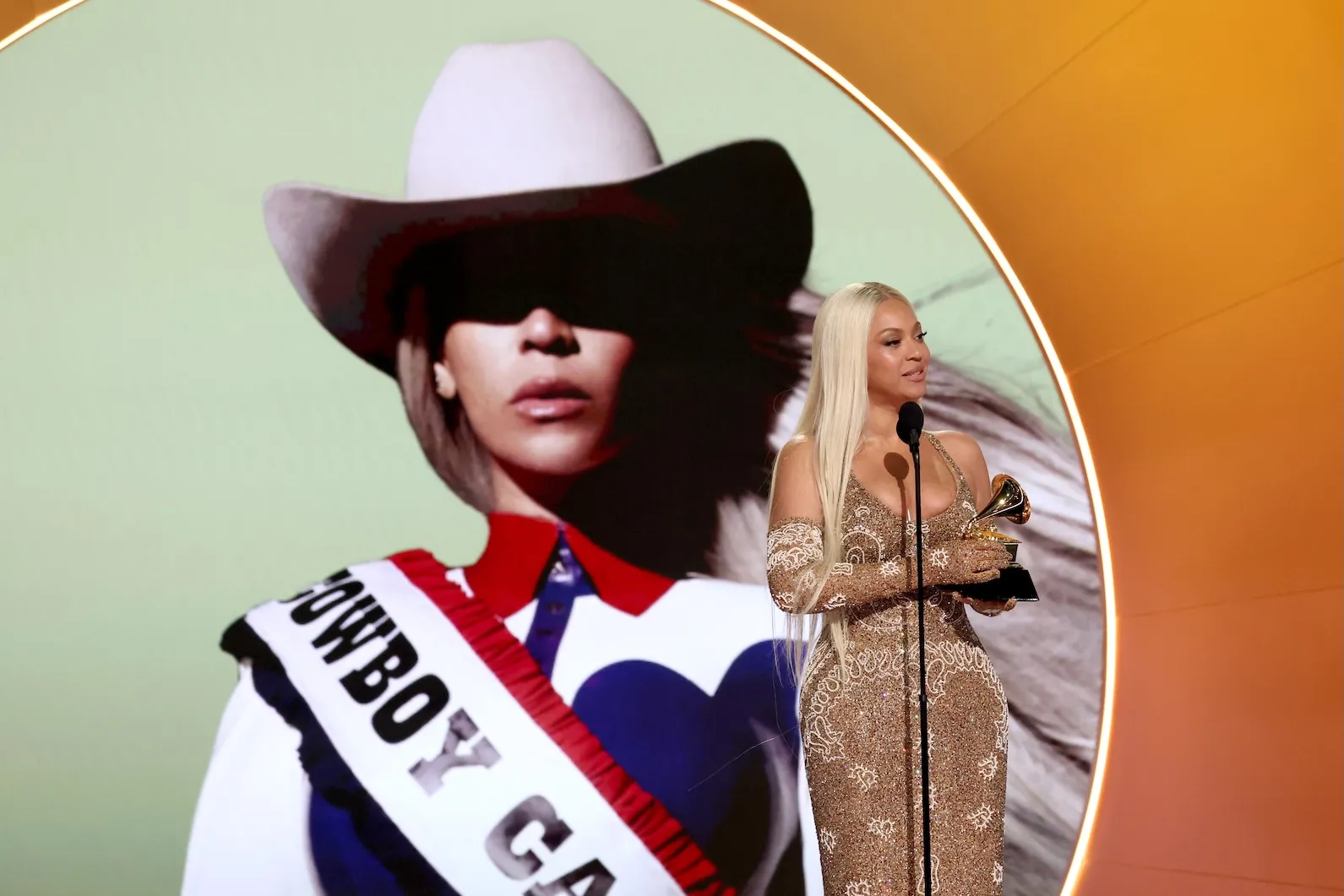
When Beyoncé dropped Cowboy Carter, the album instantly stirred up one of the fiercest debates in modern country music: would Nashville embrace her genre‑bending take or reject it outright? From her 2016 Country Music Association Awards (CMA) performance onward, which many country fans and industry insiders met with skepticism or even hostility, the idea of Beyoncé going “cowgirl” always seemed like an uphill battle. Now, rapper and record producer Breland is peeling back the curtain on why he believes Nashville had a tough time embracing Beyoncé’s country era.
Breland explained why Nashville had trouble embracing Beyoncé’s country music era
Beyoncé challenged what “country music” can mean by blending Southern roots, Black heritage, and pop culture into Cowboy Carter. But according to rapper, singer/songwriter, and producer Daniel Gerard Breland, that very decision to not “play the game” in Nashville is precisely what made her album difficult for the city’s gatekeepers to accept.
“I think that country music is fine with certain artists coming over here if they do it with the artists that they trust,” rapper, songwriter, and producer Breland told Rolling Stone’s Nashville Now podcast. Breland then mentioned rapper BigXthaPlug’s foray into country. “… What it looks like to me is that BigXthaPlug started doing some of these collabs with much success and then decided, ‘Hey, I’m going to lean all the way in and do a whole collab album with all of these pop and country artists, and it’s gonna work.’”
Breland noted that Beyoncé’s Cowboy Carter album was treated differently in Nashville. “Even though, sure, she did have Post Malone and Dolly Parton on it. But she chose to put a bunch of artists on here that people weren’t as familiar with and didn’t come to town and play the game the same way that everyone else would,” he explained. “And so it’s really easy for the institutions in Nashville to be like, ‘She’s not with us,’ because she didn’t come here and take all the same steps that someone like a Post Malone or a BigXthaPlug did, which is that they’re going to pop up at a bunch of events in town.”
Breland said that if Beyoncé had made her album in Nashville, had written it with more writers and producers in the city, and had shown up at more Nashville institutions, the people of Nashville would’ve been more receptive.
Country star Charley Crockett previously called out ‘Cowboy Carter’ haters
Beyoncé’s “Cowboy Carter” era continues to spark conversation long after her tour has ended.
As noted by TIME’s Made by History, pushback against Beyoncé’s turn to country stems from a legacy of gatekeeping that has often cast the “cowboy” identity as white and male. Thus, when a global pop star and Black woman stepped into that territory, it disrupted ingrained expectations. Yet others viewed “Cowboy Carter” as a bold reclamation of country’s roots.
Country star Charley Crockett publicly defended Beyoncé and her groundbreaking work. In August 2025, he took to Instagram to defend the R&B queen’s country music debut and call out “bro country.”
“Hey country folks,” he began in his post. “@beyonce ain’t the source of your discontent. It was 25 years of bro country. … The machine points to a Black woman who’s making a statement about marginalized people being removed from the conversation altogether, and somehow, we all act like the entire pop industry didn’t just ambush roots music. These ‘country boys’ been *singing* over trap beats for years. So what’s different now?”
Beyoncé acknowledged not feeling ‘welcomed’ by country music
Ten days before the release of Cowboy Carter, Beyoncé took to Instagram to discuss her experience with country music. She admitted that the album was “born” from a negative experience in the music industry.
“This album has been over five years in the making,” she wrote. “It was born out of an experience that I had years ago where I did not feel welcomed … and it was very clear that I wasn’t. But, because of that experience, I did a deeper dive into the history of Country music and studied our rich musical archive. It feels good to see how music can unite so many people around the world, while also amplifying the voices of some of the people who have dedicated so much of their lives educating on our musical history.”