NFL Playing ‘Long Game’ By Choosing Bad Bunny for Halftime Show, Expert Says
The NFL has stirred up controversy with its pick of a halftime show performer for the 2026 Super Bowl.
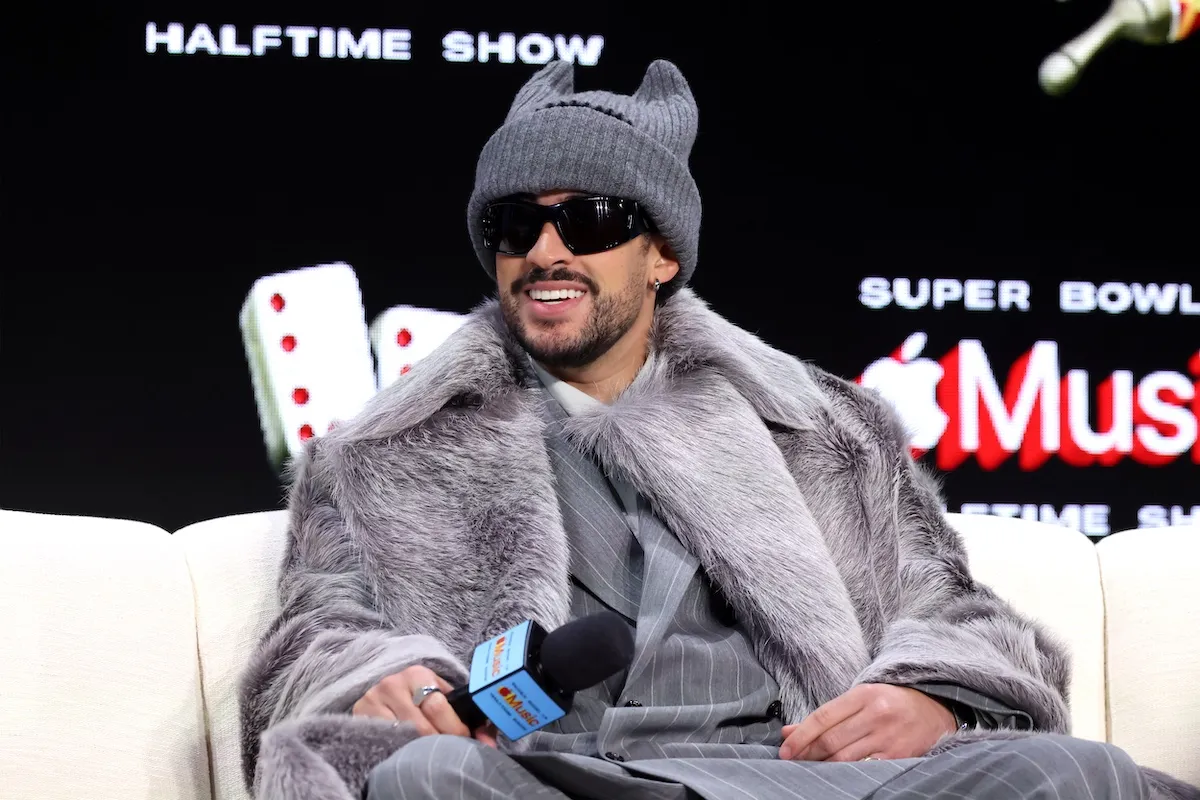
Puerto Rican rapper and singer Bad Bunny will take the stage at Levi’s Stadium in Santa Clara, California, on February 8. While the Super Bowl has spotlighted Latin artists in the past, including Jennifer Lopez and Shakira, this will be the first time the headlining halftime spot will be occupied by someone who performs primarily in Spanish. The league’s move has been divisive, to put it mildly.
NFL faces backlash over Bad Bunny Super Bowl halftime show
The outcry over Bad Bunny’s upcoming performance has been loud. Donald Trump has said he won’t watch. And confused critics, including conservative commentator Tomi Lahren, have wondered why someone who is “not an American” is playing the Super Bowl. (For the record, Puerto Rico is part of the United States, and Bad Bunny is a U.S. citizen.)
Meanwhile, right-wing organization Turning Point USA has organized an “alternative” halftime show headlined by loyal MAGA celeb Kid Rock. Some NFL players have also questioned the choice. Forty-one percent of the 58 anonymous players The Athletic surveyed weren’t in favor of Bad Bunny headlining the halftime show.
Despite the brouhaha, the NFL doesn’t seem phased. Commissioner Roger Goodell said he believes the show will “unite people,” even after Bad Bunny criticized ICE during his Grammys acceptance speech last Sunday. One reason why the world’s most valuable sports league is playing it cool? They have bigger goals than just appeasing football’s American fans.
“It is ultimately a business decision,” Jared Bahir Browsh, assistant teaching professor of ethnic studies and incoming director, Critical Sports Studies Program and the University of Colorado, Boulder, told Showbiz Cheat Sheet in an email.
“As much as the NFL presents more conservative symbolism and ideology, their bottom line is their main focus,” he added. “Coming off a year where [Bad Bunny] was the top selling/streamed artist, had a successful tour and residency, and was the first artist to win the Grammy for album of a year with a Spanish language album, Roc Nation [the NFL’s partner on live entertainment] was focused on getting the top artist in the world that also appeals to the league’s global strategy.”
The NFL is looking beyond U.S. borders as it tries to grow, Browsh added. Its two biggest international markets are Mexico and Brazil. (While the latter is not Spanish-speaking, Bad Bunny is popular in the South American country.) The league is also “marketing heavily” in Colombia and Argentina and recently hosted a game in Spain, in addition to focusing on the Latino market within the United States.
“There are nearly 70 million Latino/as in the US and about half identify as fans of the NFL fans,” Browsh pointed out.
The Super Bowl halftime show is must-watch TV, even for non-sports fans
The old adage that there’s no such thing as bad publicity also comes into play. The NFL’s “bottom line is still focused on revenue and the publicity behind the pick (both good and bad) about Bad Bunny and a lesser extent Bay Area locals Green Day [who will perform in the opening ceremony] is worth it,” Browsh said.
While Turing Point USA’s rival halftime show has generated plenty of headlines, Browsh doubts that it will emerge as a true rival to the Super Bowl’s mid-game spectacular.
“I don’t think that specifically signals an end to the Super Bowl’s dominance,” he said. “They have faced alternative programming before (like In Living Color in 1992) and have adjusted.” That year, millions tuned in when Fox aired an episode of its sketch comedy program as counterprogramming against an ice skating focused halftime show. The NFL saw the threat, and turned to the King of Pop for help. Michael Jackson performed at the next Super Bowl, and the big game hasn’t been the same since.
Now, the halftime show is must-see TV, even for those who aren’t football fans. The more eyes on it, the happier the NFL will be.
“The league also feels that opening the league up to new markets makes up for anyone ‘boycotting’ or not watching,” Browsh shared. “It is also hard to imagine more relevant or universally liked musicians being willing to compete against the Super Bowl, or larger networks paying to run legitimate counter programming to the game.”
“The NFL made $23 billion last season (nearly double any league) and they have shown they can endure controversy while looking at the big picture,” Browsh said, adding that the league “seems to figure they will endure the comments as they play the long game.”
For more news and exclusive interviews, follow Showbiz Cheat Sheet’s Instagram.