Queen Elizabeth II’s Engagement Ring Would Cost More Than a House Today
Members of the royal family have always had an impressive jewelry collection. From the Princess of Wales (formerly known as Kate Middleton) to Meghan Markle to Queen Camilla to the late Princess Diana. The ladies have donned gorgeous necklaces, bracelets, earrings, and rings over the years.
The most reconizable ring is that of William’s late mother, which he gave to Kate when her proposed to her in 2010. But another ring that was worn on the finger of perhaps the most famous royal for more than 70 years also has a special story behind it and a staggering price tag.
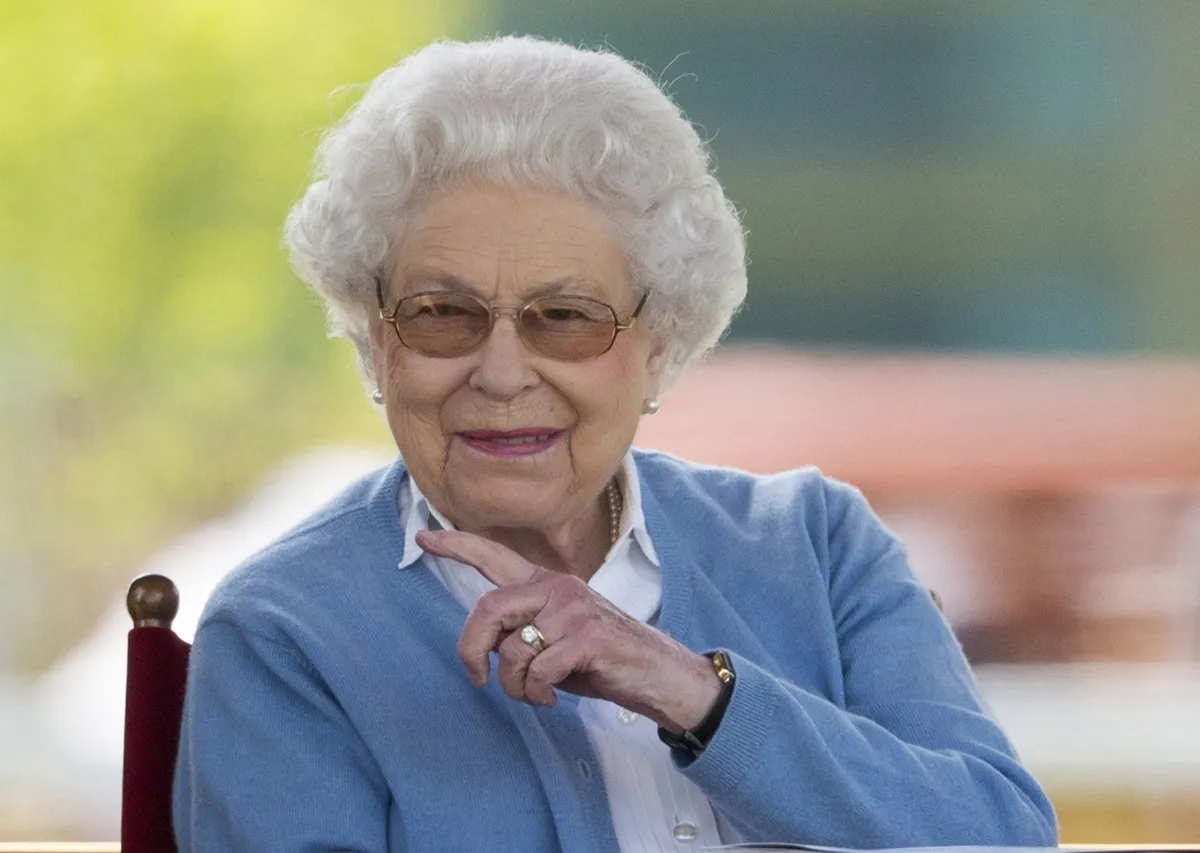
Ahead of what would have been Queen Elizabeth II‘s 100th birthday, we’re taking a look at her engagement ring from Prince Philip.
Where Prince Philip got Queen Elizabeth’s ring
Philip and then-Princess Elizabeth announced their engagement to the world on July 10, 1947, and that’s the day the ring the prince gave his love made its public debut. But the beautiful diamond sparkler wouldn’t have come without the generosity of Philip’s mother, Princess Alice of Battenberg.
In 1946, Princess Alice knew that her son wanted to propose to his girlfriend. Since they were not financially stable at the time, she decided to give him the tiara she wore on her wedding day so he could dismantle it and use the diamonds to create a ring for Elizabeth.
Philip appreciated his mother’s gesture and worked with jewelers Philip Antrobus Ltd. to design the piece. The ring features a three-carat center diamond surrounded by smaller stones arranged on either side, with the diamonds set in platinum.
How much the ring would be worth today
Neil Dutta, Managing Director of the U.K. jewelry retailer Angelic Diamonds, shared several details about the late queen’s engagement ring, which he estimates today would cost more than some houses.
Dutta told Showbiz Cheat Sheet that this layout is one reason the ring still feels elegant decades later, noting, “The ring uses what jewelers would describe as a graduated cluster design. The center diamond provides the focal point, while the smaller stones on either side extend the visual width of the ring. That structure allows the ring to appear more substantial on the hand without relying on a single oversized stone.
“Platinum became the preferred metal for engagement rings during the early twentieth century because it allows jewelers to create extremely fine claws while maintaining structural strength. Those finer settings expose more of the diamond to light, which helps maximize brilliance.”
Dutta added, “Many people assume royal engagement rings were designed to be extravagant, but this ring is actually quite restrained. Its impact comes from careful diamond selection and proportion rather than size alone. Welsh gold has a slightly warmer tone than many modern gold alloys, which gives royal wedding rings a distinctive color. Because the supply of Welsh gold is extremely limited, it has become more symbolic than practical in royal jewelry traditions.
“A ring with a three-carat center diamond and high-quality side stones like this would likely cost around $330,000 today, depending on the exact diamond grading, including the cut, clarity, and color of the stones. However, when a piece of jewelry carries strong historical associations, its cultural significance often outweighs the value of the diamonds themselves.”