Prince Harry Just Proved That the Press Still Stresses Him Out
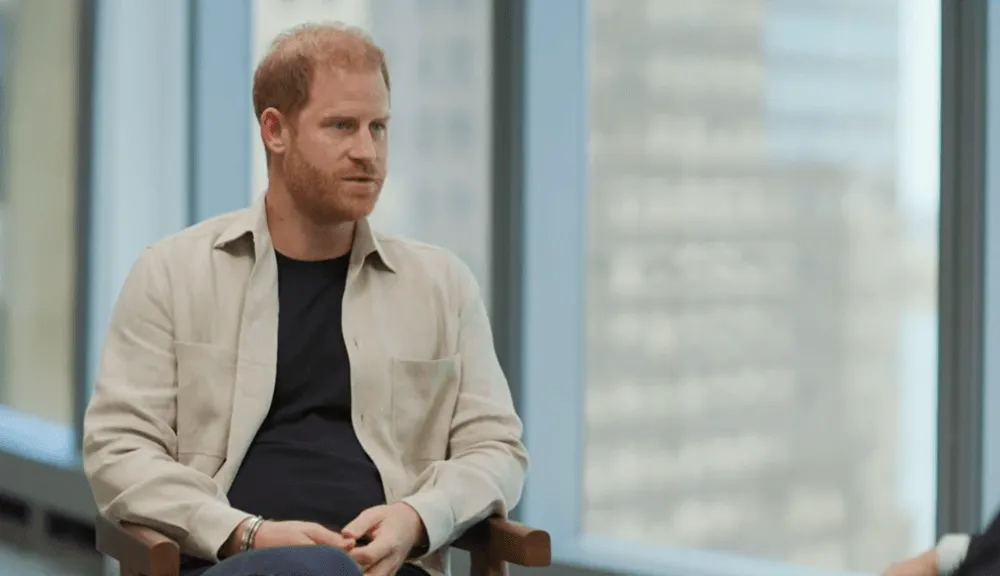
In Prince Harry‘s “One More Question” GQ interview, he spoke about still going through grief over the loss of his mother, why he and Meghan decided to move their family back to the U.K., and wanting to reconcile with his brother and father.
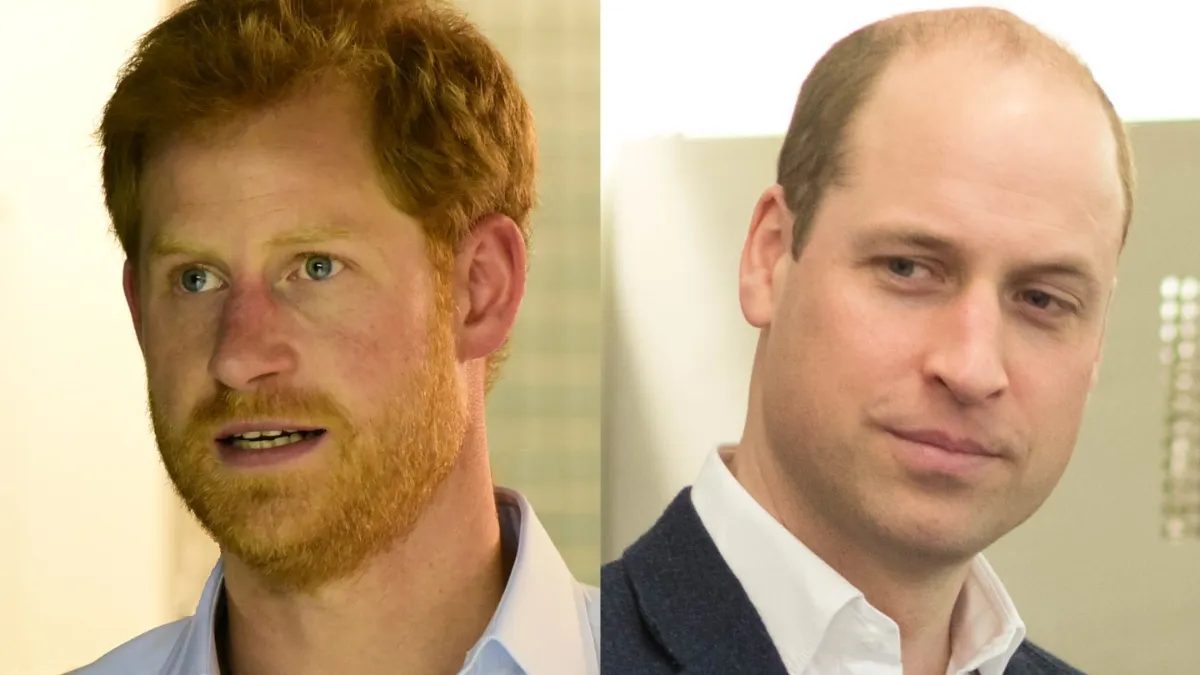
The duke has received criticism for the timing of the interview, as it was released the same day the royal family welcomed the Sultan of Oman to Windsor for a historic State Visit. Harry’s also been criticized for his comment about “some people” not wanting a reconciliation, with many believing that was a shot at Prince William.
A spokesperson for the duke later went on damage control with a statement sharing that his “some people” not wanting to work things out remark was not directed at his estranged sibling or anyone else in his family, saying, “It was absolutely not intended as a swipe at his brother or any other member of his family. The comment was made in a general context and was not directed at his family in any way.”
According to an expert, what is clear from the interview is that the press still “stresses” Harry out.
Sean Johns is a British body language expert who is certified through Joe Navarro’s Body Language Academy and the Paul Ekman Group, and a non-verbal intelligence expert & founder of BodyLytics.
Johns, who has offered his expertise to several publications over the years, including the New York Post and The Sun, told Showbiz Cheat Sheet, “The press still stresses him out. When he’s asked why they left in the first place and the media comes up, he puts one foot on top of the other in a leg-locking gesture, and keeps it there.
“Locking the feet is a way of holding yourself in place under pressure. His hand gestures dropped when the press was mentioned: his hands stayed clasped in his lap. His gestures drop when he’s stressed, and the press stresses him. Grief is the same. When he talks about always saying ‘I’m fine,’ there’s a huge lip compression. Pressing the lips together is how we hold things in.”
Johns continued, “The second time it comes up, he leans back and distances himself. Just before the tough question about his brother and his father, he shifts in his seat, waiting for it. But when he’s asked whether he wants it to work out, it’s “Of course I do”. A very quick, direct answer, and his body language was congruent: hands up, palms open.
“He also turned the question round and asked the interviewer whether everyone in his own family was on good terms. It wasn’t a deflection. He was looking for common ground. When the interviewer asked whether his father’s illness was triggering for him, his hand went to his neck. Touching the neck is a self-soothing gesture, the kind we make when something presses on a sore point.”
Showbiz Cheat Sheet acknowledges that conditions and cultures can impact body language and is sensitive to all backgrounds.