The Public Figures Who Are Most Often Used in Deepfake Frauds
With the rise of AI comes an increasing amount of people who lose thousands to deepfake frauds using public figures. In a year, Americans lose nearly $900 million to AI-driven fraud. Many Americans aren’t very aware of how deepfake fraud works. Here are the public figures who are most often “deepfaked” to defraud people.
One public figure is used more than any others in deepfake frauds
Deepfake incidents spiked by 982.14% in 2025. Fraudsters often use the images of celebrities or public figures to scam people. This has resulted in an estimated $1.13 billion in global losses.
Donald Trump frequently shares AI-generated images of himself. He is also by far the most deepfaked public figure. Online broker experts BrokerChooser found that he makes up 19.58% of total deepfake reports.
Here are the other public figures to look out for in deepfake frauds
Trump makes up nearly one in five of all reported cases of “celeb-baiting.” Scammers also use images of other public figures to get money. Elon Musk ranks second, typically scamming people by promoting fake cryptocurrencies and trading platforms. He makes up roughly 10.49% of deepfake cases.
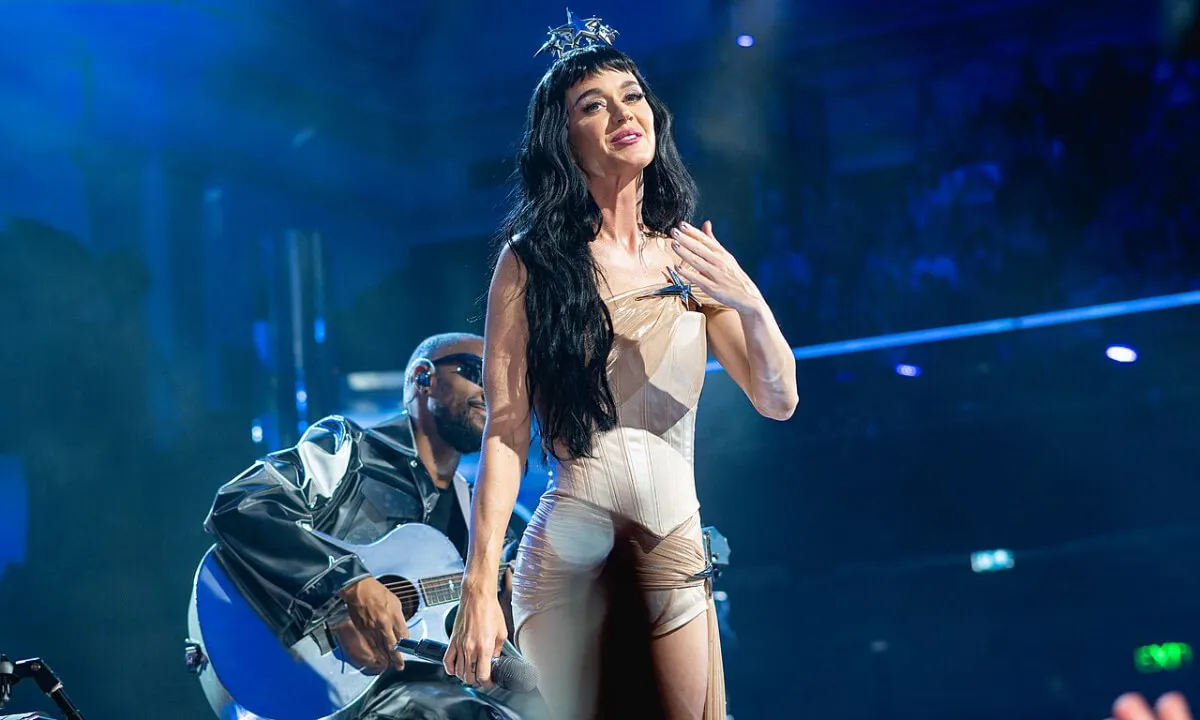
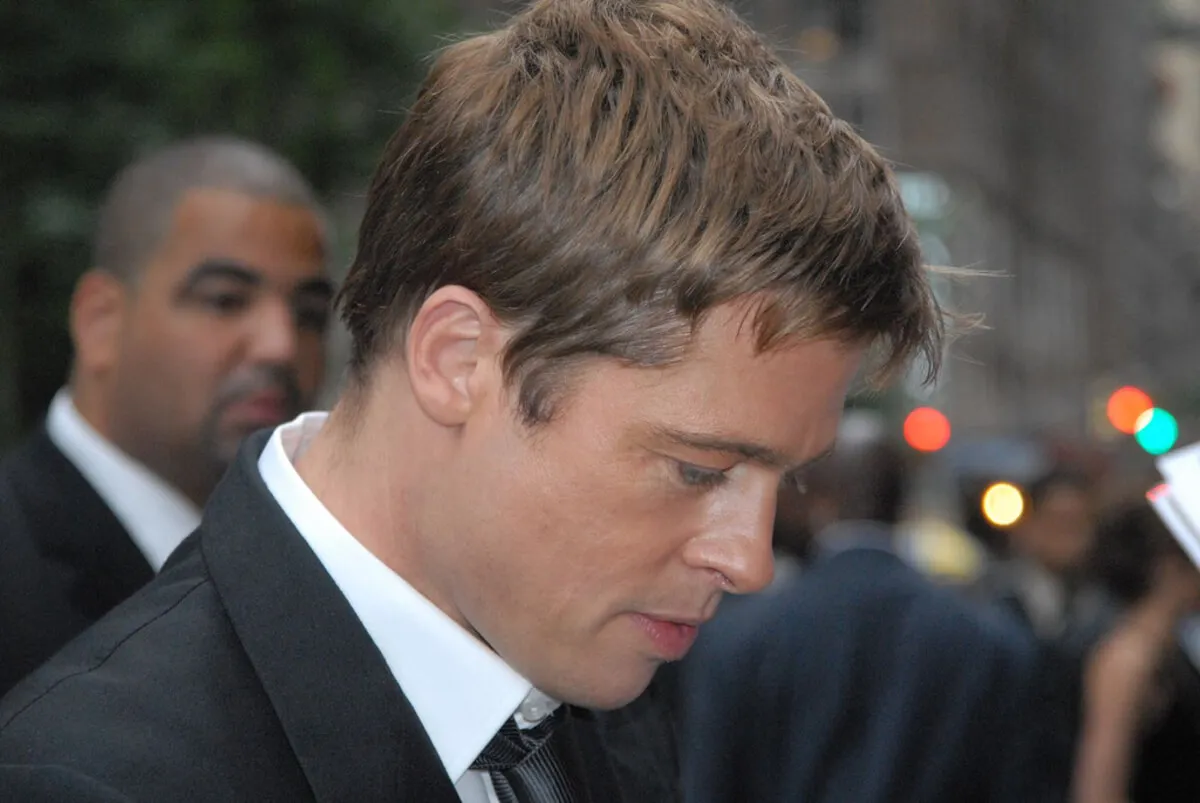
Brad Pitt and Taylor Swift come in third and fourth at 3.26% and 3.03% of deepfake reports. Notably, in 2025, one person was defrauded of $850,000. Swift has also taken measures to protect herself by trademarking her voice and image.
Other public figures used in deepfake scams include Scarlett Johansson, Tom Cruise, Joe Biden, Kamala Harris, Kanye West, Barack Obama, and Mark Zuckerberg.
Here’s a way to spot ‘celeb-baiting’ by scammers
Deepfake frauds involving celebrities continue to grow over the years. It is an easy way to get people to trust a scam.
“People are naturally more likely to trust a familiar face, which is what makes ‘celeb-baiting’ a favored tactic for scammers,” said Ádám Nasli, Head Broker Analyst at BrokerChooser. “By impersonating well-known figures, they are able to exploit trust at scale — often with very little effort. This can be particularly damaging as people tend to respond to familiarity before questioning authenticity.”
He explained that many scams have a similar setup.
“A significant chunk of celebrity deepfakes in this data share a similar destination: a fake investment platform or crypto scheme,” he explained. “Whether it’s Elon Musk appearing to endorse a trading app or a pop star endorsing financial services, the deepfake is just the delivery mechanism, the scam itself is always financial.”
Nasli shared one surefire way to clock these scams.
“While scams are getting more complex by the day, any legitimate investment firm accepting retail money must be authorised by the FCA in the UK, the SEC in the US or other top regulators,” he said. “If a celebrity-endorsed opportunity doesn’t appear in such registers, it’s best assuming that it’s a scam — and no deepfake, however convincing, changes that.”