Prosecution Must Explain 1 ‘Loose Thread’ in the D4vd Trial, Said Expert
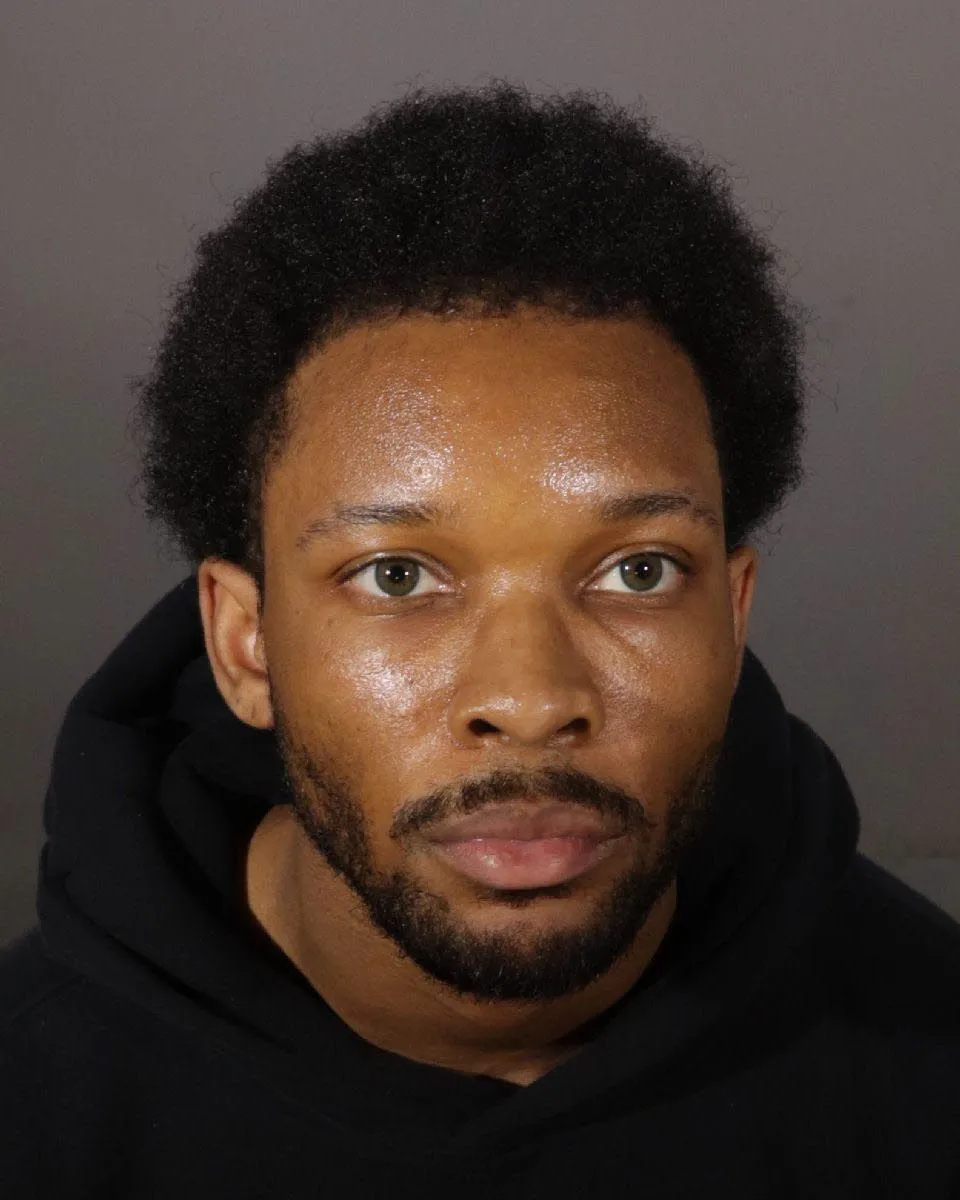
The singer D4vd, whose legal name is David Anthony Burke, will stand trial for the murder of Celeste Rivas Hernandez. Burke, who is 21, was involved with Hernandez, who was 14 at the time of her death. While in many ways, the evidence points to Burke, a legal expert believes that the location where Hernandez’s body was found does not make sense. He believes the prosecution will try to address this during the trial.
D4vd will go on trial for the murder of Celeste Rivas Hernandez
In April, police arrested Burke for the 2025 murder of Hernandez. Prosecutors allege that Burke began communicating with Hernandez when she was 11, and they began an illegal sexual relationship when she was 13.
Per People, on April 22, 2025, the pair fought over Burke’s friendship with another woman. The following day, Rivas told Burke he had “1 more chance” to tell her the “truth.” She also told him she would “leak all of the s***” on him if she saw him with the woman again.
Burke ordered Rivas an Uber to his home later that night. At 10:01 p.m., Rivas told Burke she was “almost there.” He responded that the gate was open. Rivas never sent another message. Prosecutors believe she died between 10:10 p.m. and 10:31 p.m.
On Sept. 8, 2025, Rivas’ remains were discovered in the trunk of Burke’s Tesla after it was impounded. Burke faces charges of first-degree murder, sexual abuse of a child, and the mutilation of human remains.
The prosecution must address 1 thing during the D4vd trial, said attorney
The prosecution believes they have a strong case against Burke. Still, criminal defense attorney Sam Bassett, of Austin, Texas-based Minton, Bassett, Flores & Carsey, believes the location of Hernandez’s remains may spark questions.
“The $10 million question is why D4vd would have left Celeste’s body decomposing in a Tesla and not disposed of it,” he said. “It makes no sense.”
While prosecutors do not have an obligation to explain this, they may try to in order to build a stronger case.
“It’s far more common in a murder case for the killer to have disposed of the body in some remote location to try to avoid detection,” he said. “At trial, prosecutors will be under no legal obligation to explain why Burke left the body in the car. But they may need to offer some explanation, because it’s definitely a loose thread the jury will wonder about.”
He shared what the defense will likely try to do
Bassett also tried to predict what the defense’s strategy might be during the trial.
“When this goes to trial, his attorneys may try to pin the actual murder on someone who was in D4vd’s entourage and say he was at most just participating in a cover-up,” he said. “His defense team would have to find some hook to implicate a member of his entourage. But it’s still very early in this case and the defense’s first order of business will be to push back the trial as long as possible so as to reduce the sensationialism surrounding the trial and really pore over the evidence.”
He also said that he thinks they’ll want to coach Burke on his reactions during the trial. While he has done this in the past, he notes that there’s only so much a lawyer can teach a client.
“The preliminary hearing gave the defense a good dry run for the trial. One thing they’ll want to work on is D4vd’s emotionless reaction to gruesome evidence. They will probably have him think about how to handle those situations with a more compassionate reaction.”